2-Axis vs 3-Axis Gimbal: The Real Stabilization Difference
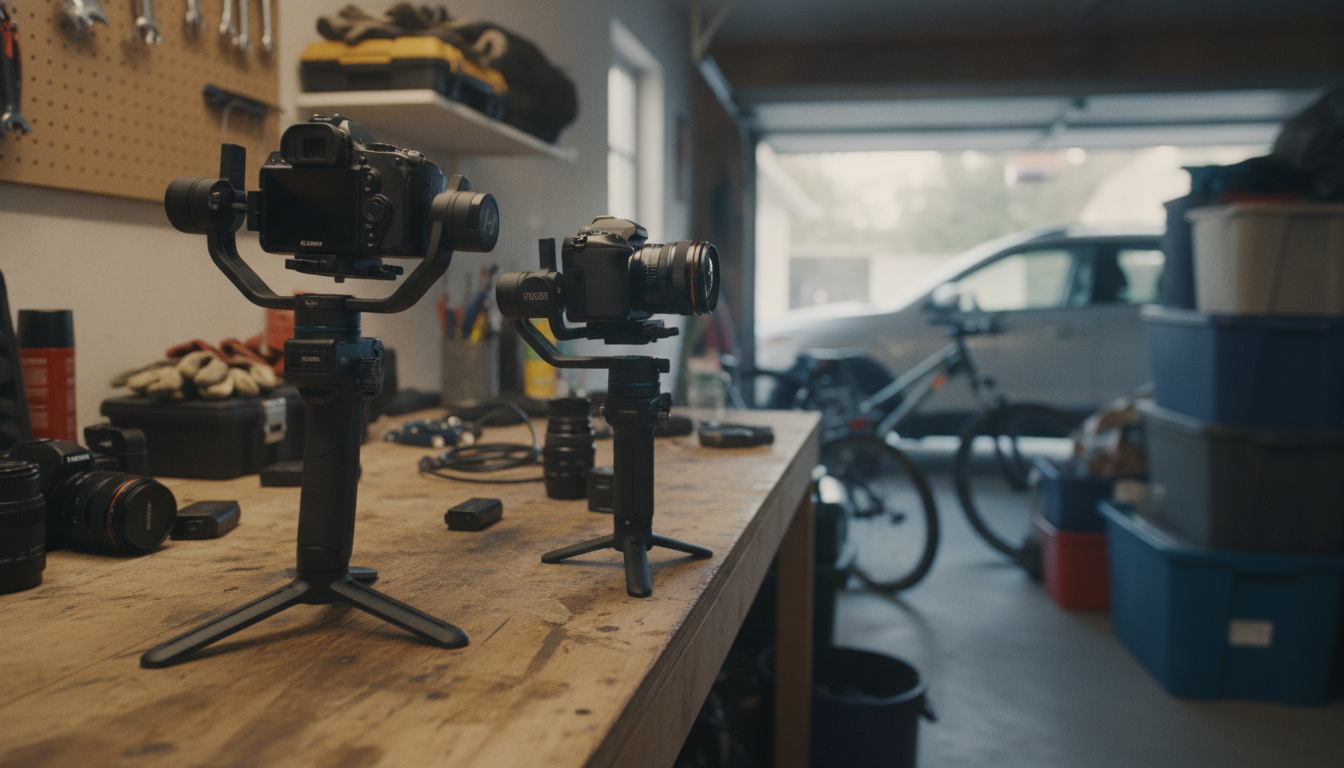
What is the difference between a 2-axis and 3-axis gimbal?
A 2-axis gimbal stabilizes two directions of movement—typically tilt (up/down) and roll (side-to-side). A 3-axis gimbal adds a third motorized axis for pan (left/right), which is the big practical difference: it smooths out the yaw that shows up when walking, turning, or tracking a subject.
2-axis gimbals: what they stabilize (and what they don’t)
With two axes controlled, a 2-axis gimbal can keep horizons straighter and reduce “bob” from hand movement when you tilt the camera. The trade-off is pan stability: if your hands rotate slightly while you move, the camera can still drift left or right. That drift may be fine for simple tripod-like shots, slow tilts, or lighter setups where you’re not doing a lot of follow movement.
Because they use fewer motors, 2-axis models are often simpler and may be lighter or less expensive. They can also be a reasonable fit for casual filming where you’re mostly standing in place or making gentle adjustments rather than walking-and-following shots.
3-axis gimbals: why the third axis matters
A 3-axis gimbal stabilizes tilt, roll, and pan. That added pan motor is what helps footage look more “floating” when you’re moving through space—walking forward, circling a product, or panning to follow action. It also helps keep framing consistent when your grip shifts, reducing the need to “fix” micro-wobbles in post.
For creators using mirrorless or DSLR cameras, 3-axis stabilization is especially valuable because the weight and inertia of larger rigs can exaggerate small hand movements. If smooth tracking shots, reveals, or moving b-roll are a priority, 3-axis is usually the better pick.
Choosing between 2-axis and 3-axis
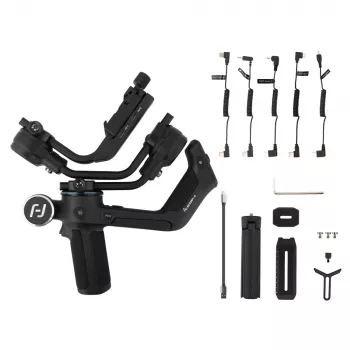
Pick 2-axis if you want basic stabilization for simpler shots and you don’t need buttery-smooth movement while walking or turning. Pick 3-axis if you plan to move with the camera, follow subjects, or want the most consistent cinematic motion. For a deeper look at handheld gimbals for DSLR and mirrorless setups, visit this 3-axis handheld gimbal guide.
FAQ
Do I need a 3-axis gimbal if my camera has in-body stabilization (IBIS)?
IBIS can reduce small jitters, but it typically can’t match a 3-axis gimbal for smooth walking shots and controlled pans. Many shooters use IBIS and a gimbal together for steadier results, especially with longer lenses or heavier rigs.













Leave a comment