Gimbal Axes Explained: Pan, Tilt, and Roll
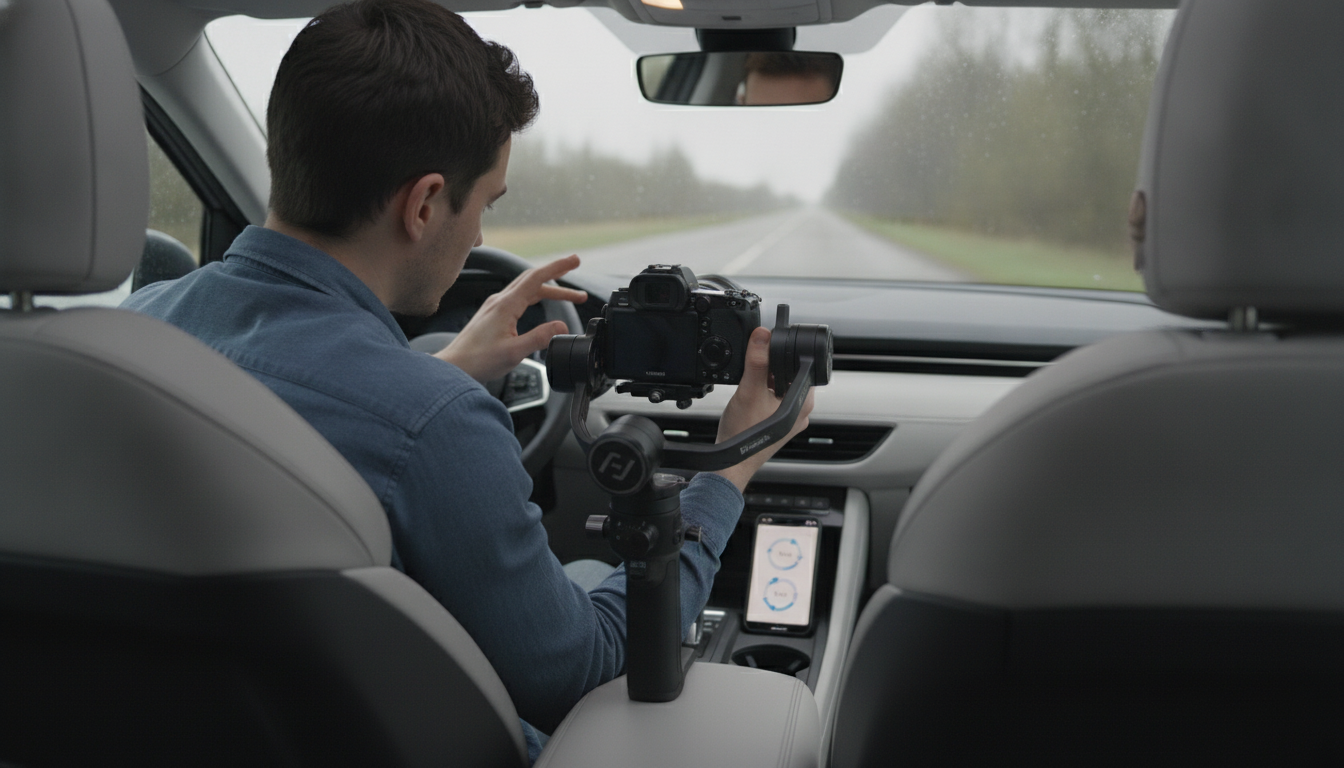
What are the axis in a gimbal?
In a gimbal, the “axes” are the directions the stabilizer can rotate to counteract unwanted movement and keep your camera level. Each axis corresponds to a type of motion your hands and body naturally introduce while shooting. Most handheld gimbals used for video are described as 2-axis or 3-axis, depending on how many motions they can actively stabilize.
How the three common gimbal axes work
Pan axis (yaw)
The pan axis controls left-to-right rotation, like turning your head “no.” When you pivot your body, track a subject, or walk and naturally sway, the pan motor helps keep the camera’s heading smooth instead of twitchy or drifting. This is especially noticeable during follow shots and when moving through tight spaces.
Tilt axis (pitch)
The tilt axis controls up-and-down rotation, like nodding “yes.” It stabilizes the camera when you raise or lower your hands, climb stairs, or change framing from a subject’s face to their hands or products on a table. A good tilt axis setup helps prevent that subtle “bob” that can make footage feel handheld even on a stabilizer.
Roll axis
The roll axis controls side-to-side leveling, like tilting your head toward your shoulder. This is the axis that fights horizon slant. If you’ve ever watched footage where the frame slowly leans, or dips during a step, roll stabilization is what corrects it to keep the horizon straight and the shot looking intentional.
Why “3-axis” matters for real-world shooting
A 3-axis gimbal stabilizes pan, tilt, and roll at the same time, which is why it’s the go-to choice for walking shots, action, and dynamic camera moves. With fewer axes, you may still get smoother footage than handheld, but you’re more likely to see horizon tilt or uneven motion when you change direction.
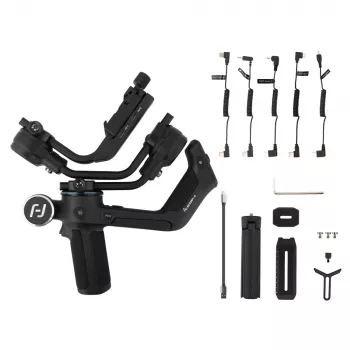
For a deeper breakdown of 3-axis handheld models, balancing tips, and what to look for with DSLR and mirrorless setups, visit this 3-axis handheld gimbal guide.
FAQ
What’s the difference between a 2-axis and a 3-axis gimbal?
A 2-axis gimbal typically stabilizes tilt and roll (or tilt and pan, depending on the model), while a 3-axis gimbal stabilizes pan, tilt, and roll together. The extra axis helps keep the horizon level and movement smoother during walking, turns, and tracking shots.













Leave a comment