App-Controlled HVAC Essential Oil Diffuser for Whole-Home Scent
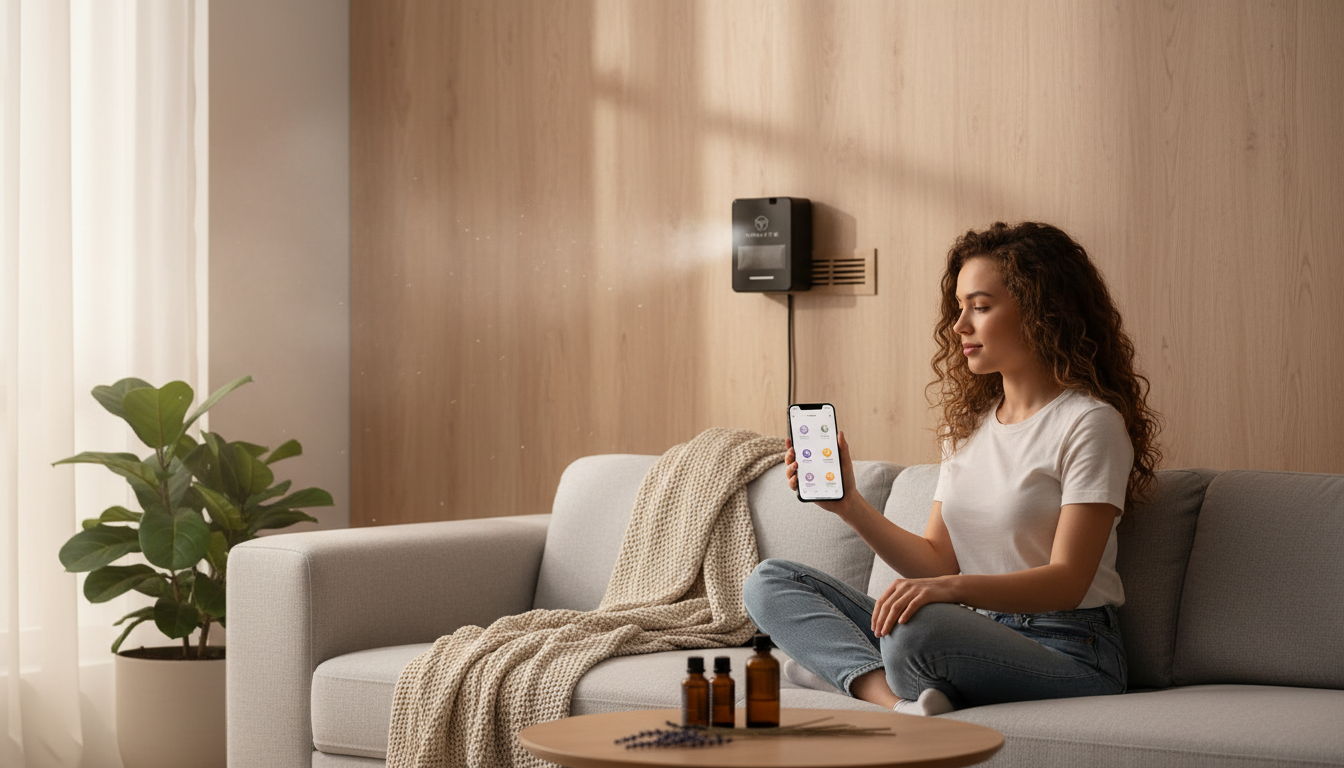
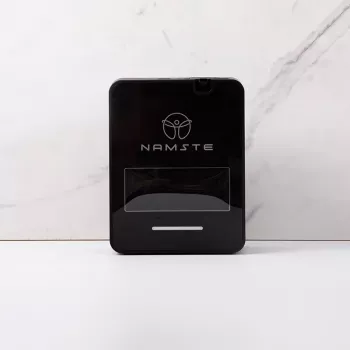
Smart HVAC Essential Oil Diffuser with App Control for Home & Commercial Use
A scent system tied into HVAC can keep large areas consistently fresh without countertop clutter. Instead of relying on a single tabletop unit that only reaches one room, an HVAC-connected diffuser works with your home or building’s air distribution to help maintain a steady, low-profile fragrance presence. Below is a practical guide to how app-controlled HVAC scenting works, what to check before installing, and how to build dependable schedules for both homes and customer-facing spaces.
What an HVAC scent diffuser does (and how app control changes daily use)
An HVAC scent diffuser introduces fragrance into the airflow so it can travel through vents and reach multiple rooms more evenly than a one-room diffuser. This approach is especially helpful in open-plan homes, multi-room offices, studios, and small retail environments where the goal is consistent “background” freshness rather than a strong, localized scent.
App control is the difference between “set it and hope” and true day-to-day convenience. From a phone, you can typically adjust intensity, set schedules, and turn the unit on or off without needing physical access to the device—useful if the diffuser is mounted near mechanical equipment or in a utility area.
With scheduling, scent becomes part of your routine: an “open hours” profile for a storefront, an “after cleaning” burst, or a lighter “evening wind-down” setting that won’t feel overpowering.
Best-fit scenarios: home comfort vs. customer-facing spaces
In a home, HVAC scenting is often about steady comfort: a low, consistent level across shared spaces without carrying a device from room to room. For hosting, a short pre-visit boost can freshen up the entry and main living areas—then it’s easy to reduce output during meals or when guests are seated close together.
In commercial spaces, scent can support brand consistency. A stable, subtle fragrance during operating hours helps maintain an intentional atmosphere in lobbies, studios, waiting rooms, and boutique retail. Fitness and wellness environments often benefit from stronger cycles around peak traffic and lighter cycles during classes or quiet periods.
For property management, scheduled “resets” between showings or turnovers can simplify consistency across multiple units—especially when staff can apply the same preset each time.
Typical goals and suggested scheduling patterns
| Goal | Suggested schedule pattern | Notes |
|---|---|---|
| Everyday freshness | Low output throughout the day | Avoids strong peaks; easier for scent-sensitive occupants |
| Pre-visit boost | 15–30 minutes before arrival | Turn down during meals or meetings |
| Commercial operating hours | On during open hours, off overnight | Consider lighter settings during low traffic |
| Post-cleaning reset | Short, higher-intensity cycle after cleaning | Ventilation matters; avoid over-scenting |
Key features to evaluate before buying
Not every diffuser is designed for HVAC integration, so start with compatibility. Confirm it’s intended to work with ventilation or duct airflow (rather than simply being a stronger tabletop diffuser). App features matter just as much: scheduling, timers, multiple intensity levels, device sharing for staff or family, and stable connectivity can prevent daily annoyances.
Coverage expectations should match real-world conditions. Square footage is only part of the story—HVAC runtime habits also shape results. A system that runs continuously will distribute fragrance differently than a home with short heating/cooling cycles. Also consider refill style and oil usage: easy refills, predictable consumption, and the ability to keep multiple scent options on hand can make ongoing operation smoother.
Installation considerations and airflow basics
For broader indoor air quality practices, it’s worth reviewing guidance from the EPA’s Indoor Air Quality resources and the American Lung Association’s overview of indoor air pollutants.
App setup and daily operation tips (reliable schedules, fewer headaches)
Oil selection, comfort, and indoor air quality practices
Good ventilation and routine HVAC filter changes support overall indoor air quality and help keep airflow consistent. If anyone experiences irritation or headaches, reduce intensity, shorten cycles, or discontinue use and ventilate the space. For pet households, be cautious and check reputable safety references; the ASPCA’s hazard awareness resources can be a helpful starting point for identifying household risks (and a reminder to be selective about what’s introduced into shared air).
Maintenance and troubleshooting basics
Featured product: Smart control scenting through your HVAC
If you’re ready to automate scent routines for a home or customer-facing space, the Smart HVAC Essential Oil Diffuser with App Control for Home & Commercial Use is designed for HVAC airflow scenting with app-based scheduling and intensity control. It’s well-suited for repeatable routines like open/close hours, pre-visit boosts, and lower overnight settings.
Product snapshot
| Item | Price | Availability |
|---|---|---|
| Smart HVAC Essential Oil Diffuser with App Control for Home & Commercial Use | $114.51 | In stock |
More in-stock picks
- High Pressure Airless Paint Spray Gun & Hose Kit with Extension Rod
- 3mm Moissanite Tennis Bracelet for Women in 925 Sterling Silver with Gold Plating
- Resin Reading Rabbit Figurine – Cute Animal Sculpture for Kids’ Room Decor
FAQ
Is an HVAC essential oil diffuser safe to use around pets and children?
Use cautious oil selection, keep intensity low, and make sure the space is well ventilated. Some oils are not recommended around certain animals, so it’s best to consult a veterinarian if you have concerns about pet sensitivities.
How strong will the scent be in different rooms?
Scent strength depends on HVAC runtime, duct layout, room size, closed doors, and filter condition. Start with a low setting and tune your schedules and presets until the fragrance feels even and comfortable throughout the space.
Can the diffuser run only during business hours automatically?
Yes—app scheduling can set weekday/weekend routines so the diffuser runs during operating hours and stays off overnight. This helps maintain consistency while reducing oil use and avoiding over-scenting during closed hours.














Leave a comment