Gimbal vs Normal Camera: Stability, Control, Best Uses
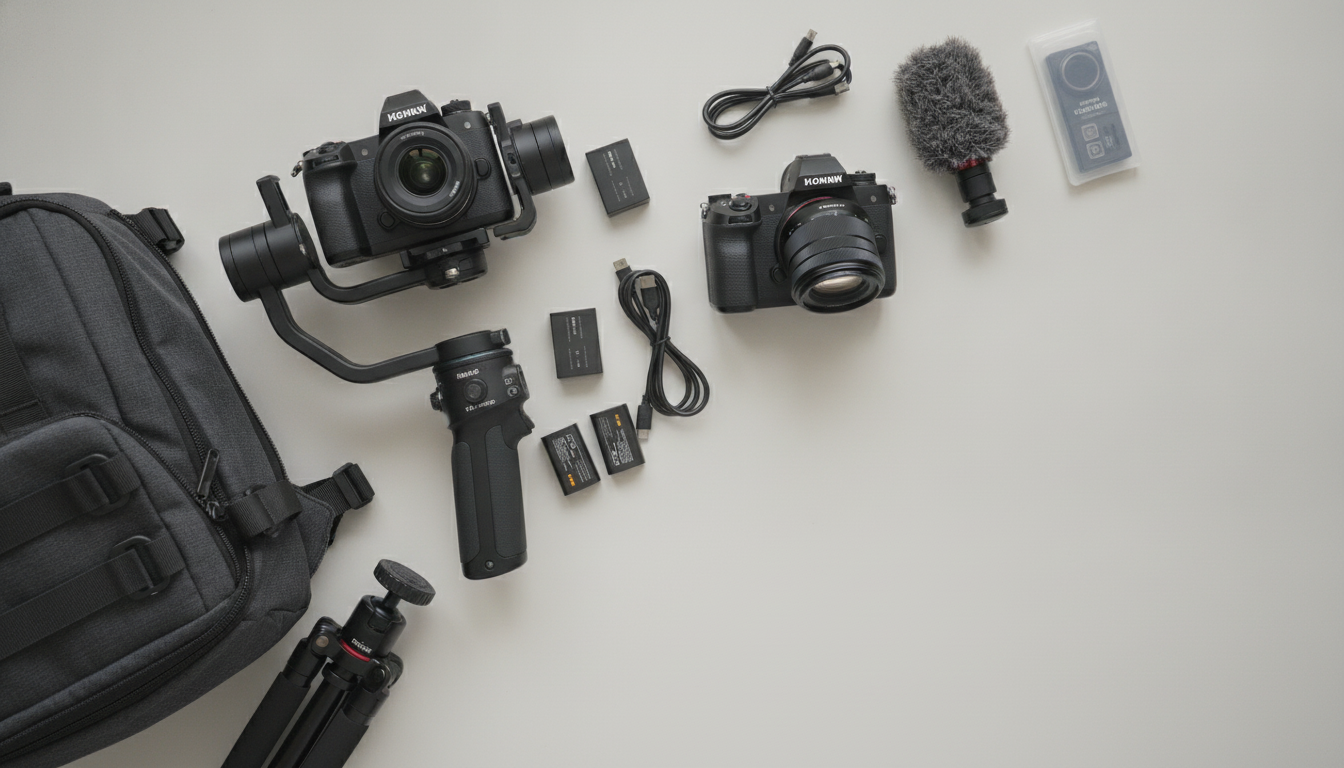
What is the difference between a gimbal camera and a normal camera?
A normal camera is any camera body (phone, action cam, DSLR, mirrorless) that records images using its lens and sensor. A gimbal camera setup adds a motorized stabilizer—usually a 3-axis gimbal—that actively counteracts unwanted hand shake and sudden movements while you shoot.
How a normal camera handles shake
Without a gimbal, stability comes from technique and built-in tools like optical image stabilization (OIS), in-body image stabilization (IBIS), electronic stabilization, faster shutter speeds, or using a tripod/monopod. These options can reduce small vibrations, but they don’t fully smooth out walking, panning inconsistencies, or quick direction changes—especially in video.
How a gimbal camera setup changes the result
A gimbal uses motors and sensors to keep the camera level and steady across three axes (pan, tilt, and roll). That means your footage can look more “floating” and cinematic when moving through a scene, following a subject, or doing controlled pans and tilts. It’s especially noticeable when filming while walking, tracking products in close-up, or creating smooth reveal shots.
Key practical differences for shoppers and creators
Video smoothness: A gimbal typically delivers smoother motion than stabilization alone, particularly for movement-heavy shots.
Control: Many gimbals offer modes (follow, lock, POV) and joystick control for precise framing.
Setup and weight: A gimbal adds bulk, requires balancing the camera, and needs battery power. Normal cameras are quicker to grab and go.
Best use cases: Normal cameras excel for stills and stationary video; gimbals shine for dynamic video where motion is part of the shot.
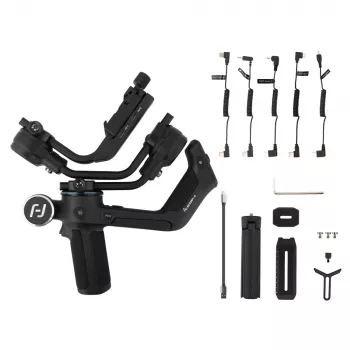
For a deeper breakdown of how 3-axis handheld stabilizers work and what to look for when pairing one with a DSLR or mirrorless camera, visit this 3-axis handheld gimbal guide.
FAQ
Do you need a gimbal if your camera has IBIS or OIS?
Not always. IBIS/OIS can handle smaller shakes, but a gimbal is still the better choice for smooth walking shots, longer tracking moves, and controlled cinematic motion in video.













Leave a comment