Hardest Bike Locks to Break: U-Lock vs Chain
What’s the hardest bike lock to break?
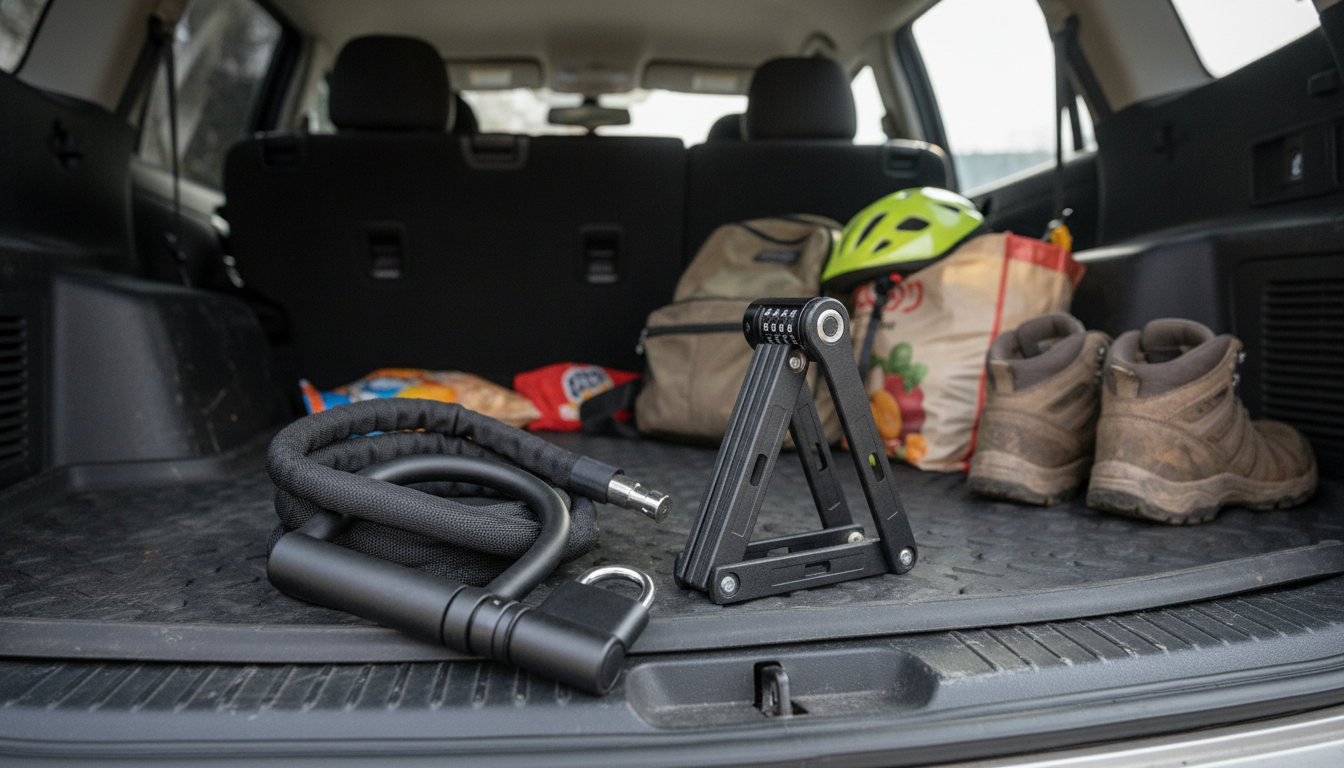
The hardest bike lock to break is typically a high-security U-lock (also called a D-lock) made with hardened steel and a strong locking mechanism, ideally paired with a secondary lock. In real-world theft attempts, the “hardest” lock is the one that forces a thief to spend the most time, make the most noise, and carry heavier tools—usually enough to make them move on to an easier target.
Why U-locks usually rank the toughest
Top-tier U-locks use thick, hardened steel shackles that resist hand tools and make leverage attacks difficult. Their compact shape also reduces the space a thief has to insert pry bars or use jacks. Many premium models add anti-twist shackles, tight tolerances, and cylinder designs that resist picking and drilling.
Where chain locks can compete (or win)
A heavy, high-quality chain lock can be extremely hard to defeat when the links are thick, hardened, and paired with a robust lock body. Chains shine in flexibility: it’s easier to lock through a wheel and frame and around larger objects. The tradeoff is weight—serious security chains are bulky, and thinner “convenience” chains are much easier to cut.
“Hardest to break” depends on the attack
Most theft methods fall into a few categories: bolt cutters, leverage/prying, and angle grinders. Bolt cutters struggle against thick hardened steel, while prying struggles against compact U-lock shapes. Angle grinders can cut almost anything given time—so the goal becomes delaying the cut and making the attempt obvious. Using two different lock types (for example, a U-lock plus a chain or folding lock) can force multiple tools and extra cuts.
A practical best-choice setup
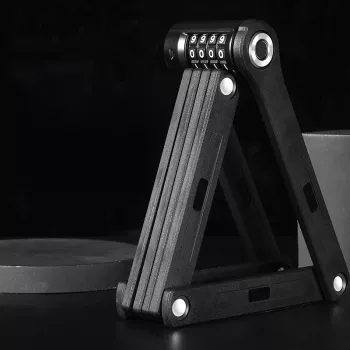
For high-risk areas, a high-security U-lock on the frame to an immovable object plus a secondary lock to secure the wheels is a strong baseline. If portability and versatility matter—especially for bikes and e-scooters—a quality foldable or password chain option can be a smart balance of convenience and deterrence. For tips on choosing and using a foldable password chain lock, see this guide.
FAQ
Is a folding bike lock as secure as a U-lock?
High-quality folding locks can be very resistant to leverage and cutting, but premium U-locks usually offer the best strength-to-size security. A folding lock is often chosen for flexibility and easier carry, while a U-lock is favored for maximum resistance in high-theft areas.











Leave a comment