Julia 1/4 BJD: Posing, Styling, and Care Guide
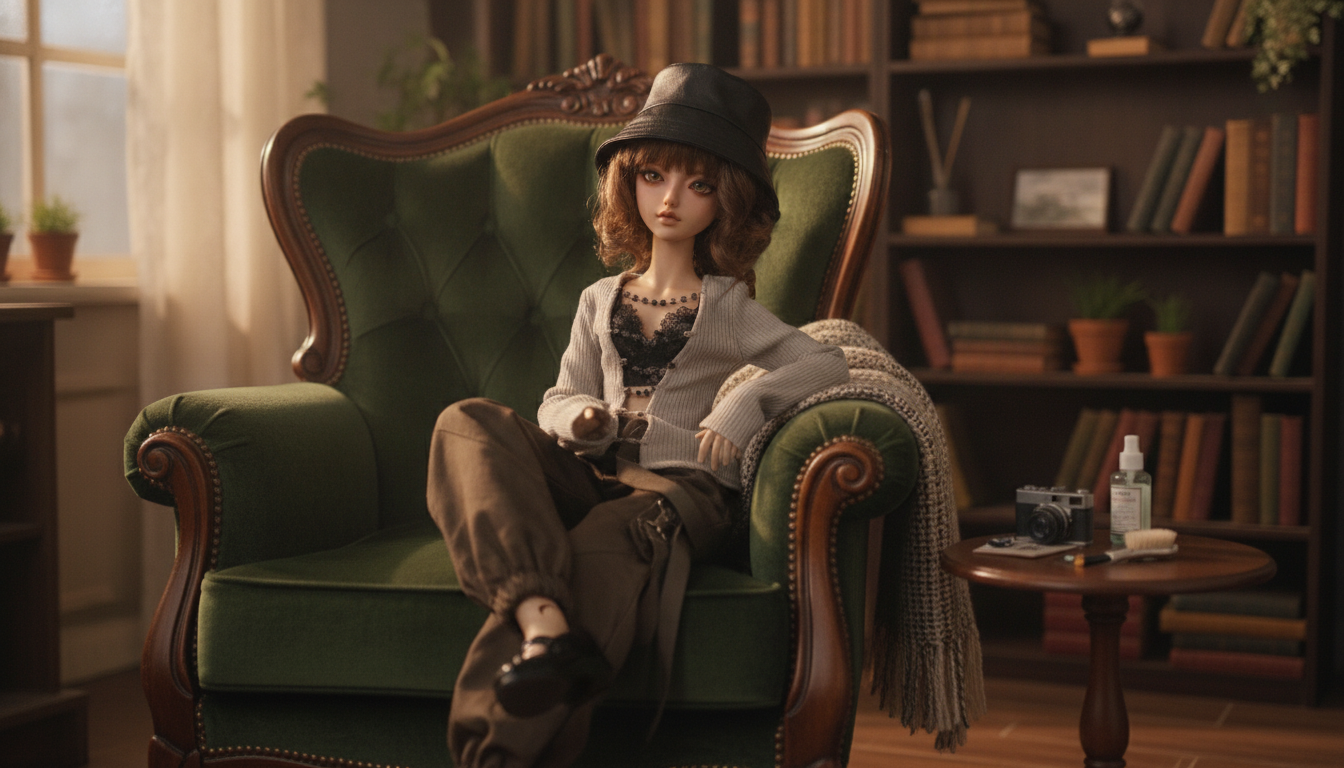
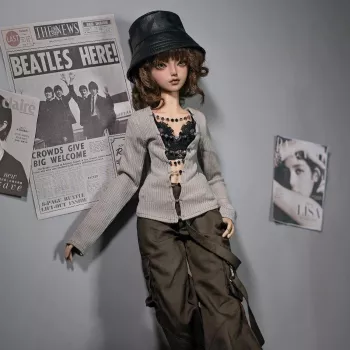
1/4 BJD Female Doll Julia: Scale Styling, Posing, and Care Essentials
Julia is a 1/4-scale ball-jointed female doll designed for collectors who enjoy expressive posing, styling, and character building. With the right setup, a simple care routine, and a few sizing basics, a 1/4 BJD can be easy to display, photograph, and personalize—without needing a large studio or oversized storage.
What Makes Julia a 1/4 BJD
A 1/4 scale BJD sits in a popular “mid-size” category that offers strong display presence while staying more manageable than larger dolls. Many collectors favor this size because it works well on bookshelves, in glass cabinets, or on tabletop photo sets where you can build scenes without taking over a room.
Like other ball-jointed dolls, Julia uses articulated joints connected by internal elastic, which allows nuanced posing at the neck, shoulders, elbows, wrists, torso, hips, knees, and ankles (the exact range depends on the sculpt and joint engineering). If you’re curious about the broader history and construction, a helpful overview is Ball-jointed doll (overview).
Julia is also best suited to collectors who enjoy customization. A 1/4 BJD is a great canvas for swapping wigs and eyes, experimenting with outfits, and building a consistent “character” aesthetic through props and backdrops.
At-a-Glance Details
For quick planning—budgeting, display space, and styling—here’s a concise snapshot of the listing.
| Detail | Value |
|---|---|
| Name | 1/4 BJD Female Doll Julia |
| Price | 160.67 USD |
| Availability | In stock |
| Stock (listed) | 181 |
| Product page | 1/4 BJD Female Doll Julia |
Unboxing and First Setup
Before the first full posing session, inspect the doll under good lighting. Look over the surface finish and check the joints for uneven tightness—some joints may feel snug out of the box while others may be looser depending on stringing tension. Noting these early helps you avoid forcing a joint that simply needs gentler break-in.
Handle the doll with clean, dry hands. Lotions, oils, and residue can transfer onto the surface, and dark fabrics can sometimes leave dye behind over time. If the doll includes a wig, place it carefully and avoid over-stretching the cap; slow, even pressure keeps the fibers neat and helps maintain the wig’s shape. For eyes, confirm both sit evenly and don’t pinch—if one eye looks “higher,” it may just need a subtle adjustment rather than pressure.
Start with a few simple poses: a supported stand, a relaxed seated posture, and a slight head tilt. Gradual movement is the safest way to learn where the joints naturally want to settle.
Posing and Stability Tips
Ball joints reward patience. Move each joint in small increments rather than trying to “click” it into place in one motion. This reduces stress on elastic and internal channels, and it helps you find the most natural lines for shoulders, hips, and torso twist.
For standing poses, stability is mostly about center of gravity. Keep weight aligned over the feet, and consider a slight knee bend—this often makes a doll look more lifelike while increasing balance. If ankles are a frequent weak point, choose seated, leaning, or supported standing poses for long-term display so the joints aren’t fighting gravity day after day.
For photography, discreet supports can be the difference between a frustrating session and a smooth one. A doll stand, hidden support behind clothing, or museum putty used on props (not on delicate finishes) can help maintain a natural posture while you refine hand placement and head angle.
Outfits, Shoes, and Accessory Sizing for 1/4 Scale
When shopping, prioritize clothing labeled for 1/4 BJD or MSD-sized dolls. Fit still varies across brands due to differences in torso length, shoulder width, bust, and hip shape—so “MSD” is a helpful starting point, not a guarantee. If a garment must fit perfectly (like tailored pants or a fitted dress), check measurements when available.
Care, Cleaning, and Long-Term Storage
Protect the doll from direct sunlight and high heat. Light exposure can contribute to fading and yellowing over time, and heat can affect some materials. For general collection-care principles, the National Park Service provides clear guidance on light damage here: Conservation guidance on light damage to objects.
Display and Photography Ideas
If you enjoy creating more “finished” scenes, a decorative home accent can work as a stable backdrop element on a shelf or side table near your display. A piece like the Marble Travertine Taper Candle Holder for Home Decor and Elegant Events can add a clean, editorial look around your display area (kept at a safe distance to avoid contact and heat), helping your photos feel intentional even with minimal props.
Shop Featured In-Stock Picks
- 1/4 BJD Female Doll Julia (in stock)
- Marble Travertine Taper Candle Holder for Home Decor and Elegant Events (in stock)
FAQ
What does 1/4 scale mean for a BJD?
1/4 scale is a common mid-size category (often associated with MSD sizing) that’s easier to display and store than larger dolls while still offering strong styling options. Clothing and shoe fit generally follows 1/4/MSD sizing, but exact measurements vary by sculpt and body proportions.
How can staining from dark clothes be prevented?
Limit long-term contact with dark fabrics, prioritize lined garments, and consider washing or rinsing new clothes to reduce excess dye. Check high-friction areas like elbows, knees, and hips regularly, and swap outfits if you notice early discoloration.
Is Julia suitable for beginners?
A 1/4 BJD is often beginner-friendly because it’s large enough to handle comfortably without needing a lot of space. Start with simple poses, gentle handling, and a minimal care kit (soft brush and safe storage) to build confidence over time.











Leave a comment