1500Pa Robot Vacuum for Pet Hair: Setup & Daily Routine
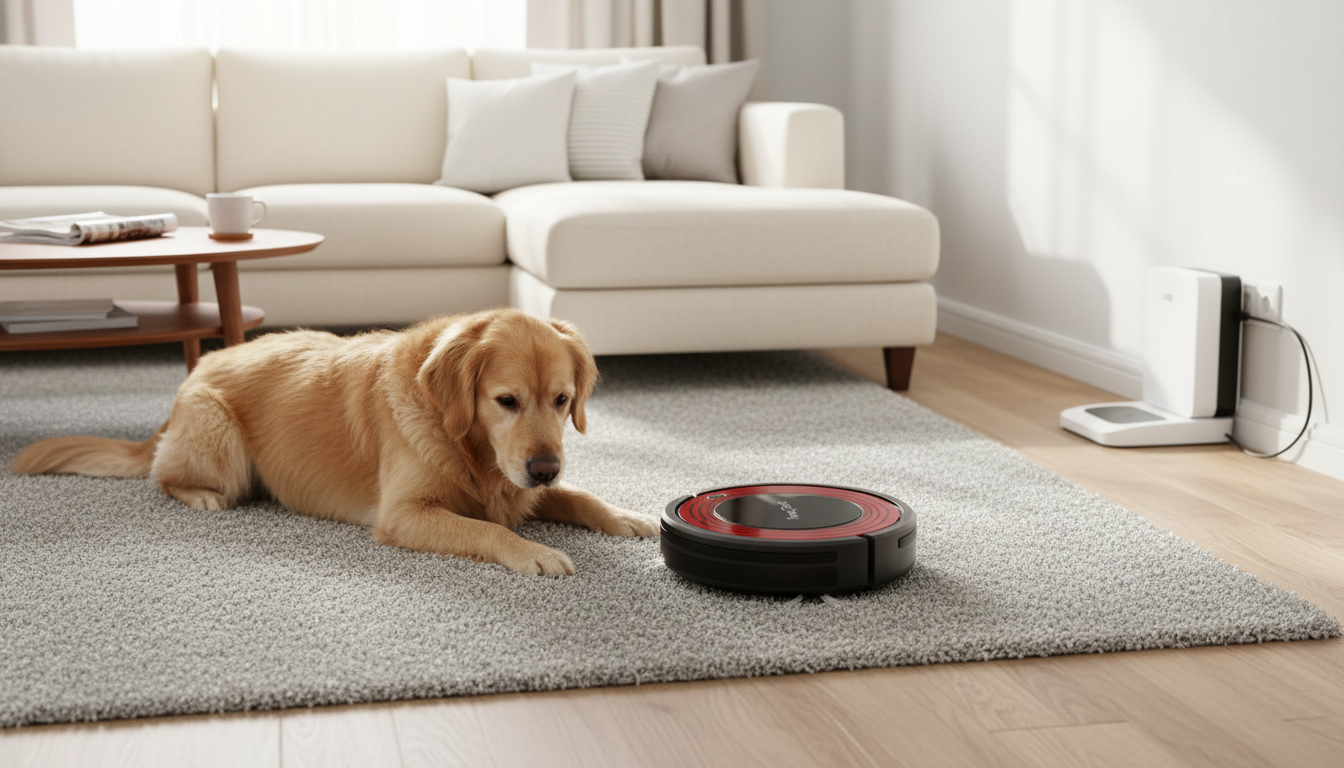
1500Pa Robot Vacuum with Charging Base for Pet Hair: Practical Home Cleaning Guide
Pet hair, crumbs, and daily dust build up fast—especially in high-traffic rooms. A 1500Pa robot vacuum with an auto-charging base offers hands-off floor maintenance, helping keep hard floors and low-pile rugs cleaner between deeper cleanups. This guide breaks down what to expect, how it fits into real routines, and what to check before buying.
What This Robot Vacuum Is Designed to Handle
A 1500Pa robot vacuum is built for everyday “maintenance cleaning,” not replacing every deep-clean tool in the house. In pet homes, that’s often the difference between floors that look clean most days and floors that constantly show fur and tracked-in grit.
- Everyday pet hair pickup on hard floors and low-pile rugs
- Dust, dander, and tracked-in grit near entryways and hallways
- Crumbs and dry debris under tables, beds, and sofas
- Routine maintenance cleaning that reduces how often full vacuuming is needed
- Automatic return-to-base charging for more consistent day-to-day use
For households managing allergens, consistent surface cleaning can be part of a bigger routine that also includes ventilation and filter care. For more on indoor allergen basics, see the EPA’s Indoor Air Quality resources and the American Lung Association’s guidance on reducing allergens at home.
Key Features That Matter for Pet Hair Homes
Robot vacuums can look similar, but daily results depend on a few practical details: how well it stays charged, whether it fits under furniture, and how quickly pet hair clogs brushes and filters.
- Suction strength: 1500Pa is aimed at regular debris and pet hair, particularly on hard flooring
- Charging base: supports automatic recharging so the robot can be used frequently with less effort
- Low-profile access: useful for cleaning under furniture where pet hair collects
- Edge and corner reach: improves pickup along baseboards where fur tends to gather
- Maintenance needs: brush/roller and filter upkeep affects performance over time
Quick Feature Check for Daily Use
| Feature | Why it helps | What to verify at setup |
|---|---|---|
| 1500Pa suction | Improves pickup of fur, dust, and grit | Try on hard floors first; adjust routine for rugs |
| Charging base | Reduces interruptions and keeps it ready | Place base on a clear wall with open space |
| Furniture clearance | Reaches hidden hair zones | Measure bed/sofa clearance vs robot height |
| Edge cleaning behavior | Targets baseboards and corners | Run along one wall and check pickup line |
| Filter/brush maintenance | Sustains suction and airflow | Set a weekly schedule to clear hair and dust |
How to Set Up the Charging Base for Reliable Docking
Auto-charging only feels “hands-off” when docking is consistent. The most common docking problems come from clutter, shifting bases, or confusing reflections.
- Place the charging base on a flat surface against a wall to prevent shifting during docking
- Keep the area around the base clear of shoes, cords, and pet bowls to reduce missed docking attempts
- Avoid placing the base in direct sunlight or near mirrors that can confuse sensors on some robots
- Route cables away from the approach path to prevent tangles and dragging
- Run an initial supervised cycle to confirm it finds the base consistently
If your home layout forces a tighter docking area, prioritize a straight “runway” in front of the base. Even small items (like a slipper or a raised edge of a mat) can interrupt the final approach.
Realistic Cleaning Results on Different Floors
A 1500Pa robot vacuum is typically strongest on smoother surfaces, where pet hair and fine dust don’t have fibers to cling to. On rugs and carpet, results are more dependent on frequency and whether the debris is sitting on top or worked deeper into the pile.
- Hard floors: typically the best match for pet hair pickup and fine dust collection
- Low-pile rugs: can be effective for surface hair; deeper grit may still need periodic upright vacuuming
- Thick carpet: may require higher suction models or manual vacuuming for deep cleaning
- Corners and edges: often improved by repeating runs or scheduling more frequent passes in shedding seasons
- Pet hair “tumbleweeds”: reduce by running the robot more often rather than relying on a single long cycle
A practical benchmark: if you can see fur collecting along baseboards within 24–48 hours, increase run frequency rather than expecting a single pass to “reset” the whole room.
Simple Routine for Homes with Pets
Consistency beats intensity for pet hair. A short, frequent schedule keeps the bin from overfilling and prevents hair from forming clumps that drift into corners.
Common Issues and Practical Fixes
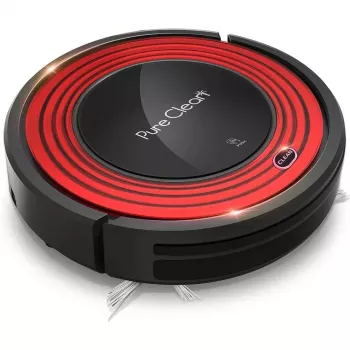
Product Snapshot: 1500Pa Robot Vacuum with Charging Base
Shop In-Stock Picks
- 1500Pa Suction Robot Vacuum Cleaner with Charging Base & Pet Hair Removal
- Marble Travertine Taper Candle Holder for Home Decor and Elegant Events
- Elegant Soft Leather Small Shoulder Bag
FAQ
Is 1500Pa suction enough for pet hair?
It’s typically effective for pet hair and dust on hard floors and low-pile rugs, especially when you run it frequently. For thick carpet or ground-in grit, plan on periodic deep vacuuming to keep fibers truly clean.
How often should the dustbin and brushes be cleaned with pets?
Empty the dustbin often—many pet homes need it after each run in heavy-shedding rooms. Clean brushes/rollers weekly (or more if you see wrap) and check the filter regularly to maintain airflow and reduce odors.
What’s the best place to put the charging base?
Choose a flat spot against a wall with open space in front so the robot can approach straight-on. Keep the area free of cords, shoes, and pet bowls to improve consistent docking.













Leave a comment