Are Wide Bowls Better for Cats? Whisker-Friendly Tips
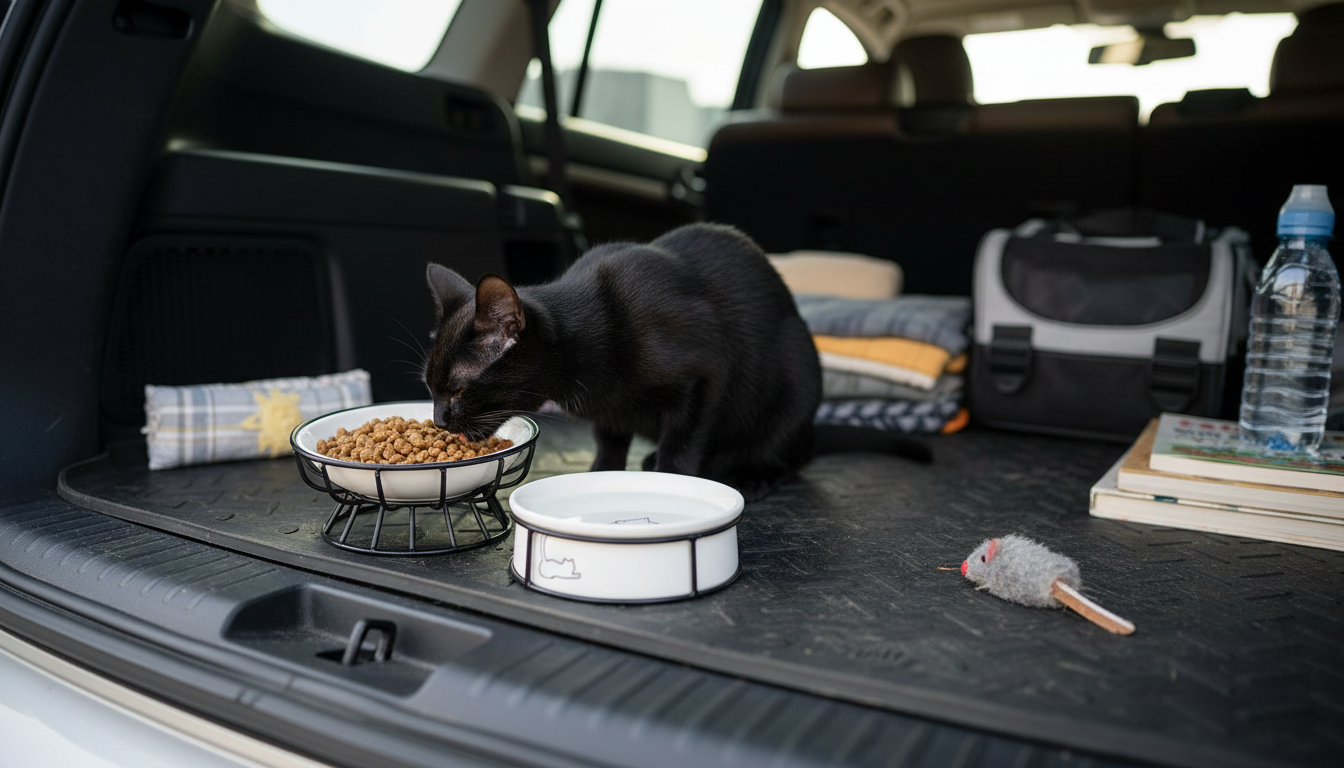
Are wide bowls better for cats?
Often, yes. A wide, shallow bowl can make mealtimes more comfortable for many cats because it reduces “whisker fatigue”—the overstimulation that can happen when sensitive whiskers constantly brush against tall, narrow sides. If a cat seems to eat a few bites, back away, or paw food out of the dish, switching to a wider bowl is a simple change that can help.
Why bowl shape matters
Cats use their whiskers to navigate and assess space. When a bowl is narrow or deep, whiskers may repeatedly press against the rim as the cat reaches for food. A wider bowl lets the cat approach food with less contact around the face, which can encourage calmer, more consistent eating—especially for picky eaters or cats that “graze.”
Better access for food and water
Wide bowls spread food out, making it easier to scoop up without pushing it into corners. This can be helpful for wet food, pâté, or cats with flatter faces. For water, a wider surface area can be appealing to cats that prefer open dishes, though freshness and placement still matter most.
Less mess, fewer tipped bowls
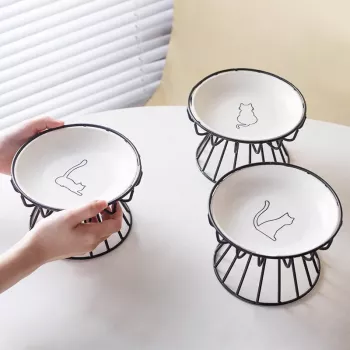
Some wide bowls are designed with a stable base or a raised stand, which can reduce sliding and tipping. A lower, wider profile also helps keep kibble from launching over the rim when enthusiastic eaters dig in. If mess is an issue, look for smooth ceramic or stainless surfaces that wipe clean and resist odors.
When a wide bowl might not be “better”
If a bowl is too shallow, wet food can spread thin and dry out faster. Very large, flat dishes can also take up more floor space and may be easier for curious pets or kids to bump. The best choice balances width with a gentle lip and a stable footprint.
For a deeper dive on choosing a comfortable, mess-reducing option (including wide ceramic bowls with stands), see the full guide here: ceramic wide cat bowl with stand guide.
FAQ
What is whisker fatigue in cats?
Whisker fatigue is discomfort or overstimulation when a cat’s whiskers repeatedly press against a bowl’s sides. A wider, shallower dish can reduce that contact and make eating feel easier.









Leave a comment