Berg Go-Karts: When They’re Worth the Price
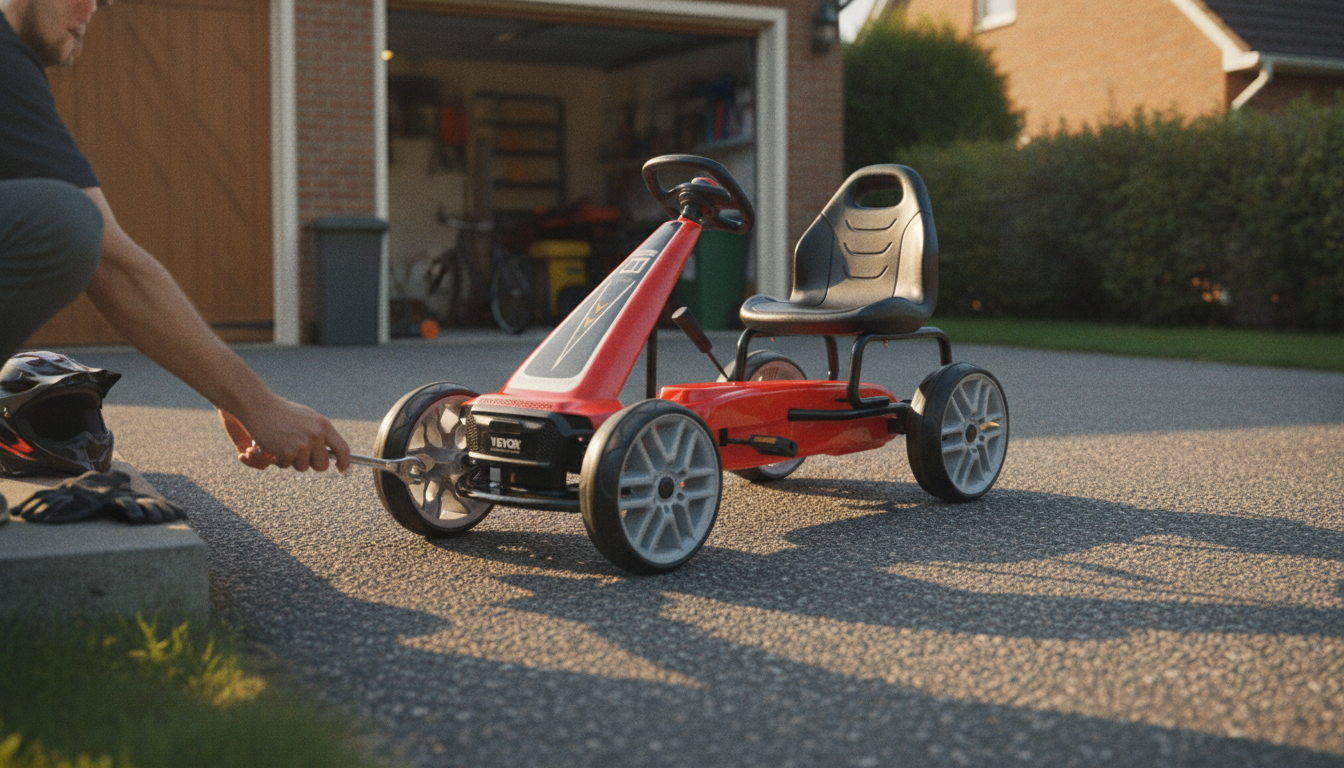
Are Berg Go-karts worth it?
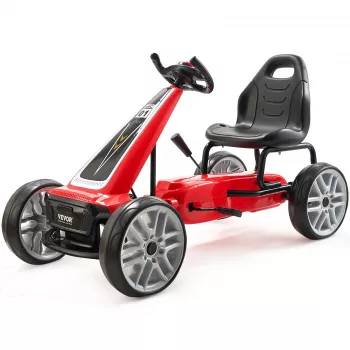
Berg go-karts are often worth it for families who want a pedal kart that feels solid, lasts for years, and can handle frequent outdoor use. They typically cost more than many big-box options, but that price jump usually shows up in sturdier frames, smoother drivetrains, better wheel traction, and parts that are easier to replace when your rider outgrows tires or wears down components.
When the higher price makes sense
If the go-kart will be used weekly (or shared by siblings), durability becomes the deciding factor. Berg models are known for stable handling and a planted ride, which matters on driveways, sidewalks, and packed paths where lighter karts can feel twitchy. Many riders also prefer the pedaling feel on premium karts—less “jerky,” more consistent resistance—especially on longer rides.
Safety and fit matter more than the logo
Worth it also depends on whether the kart truly fits the rider. A well-fitting seat position, reachable pedals, and confident braking do more for enjoyment than any brand name. Before buying, check the recommended rider height/age range, confirm adjustability (seat and steering), and think about where it’ll be ridden—flat pavement, gentle slopes, or mixed terrain. For a deeper look at choosing the right size and riding safely, use this guide: kids pedal go-kart fit, safety, and riding tips.
When a less expensive kart may be the better value
If your child is likely to outgrow the kart quickly, rides only occasionally, or you need something lightweight and easy to store, a budget-friendly model can be a smarter purchase. “Worth it” drops fast when the kart is too large to pedal comfortably, too small to last a season, or stored where weather can accelerate wear.
FAQ
What size pedal go-kart should I buy for my child?
Choose based on the manufacturer’s height range first, then confirm your child can reach the pedals with a slight knee bend and can brake confidently. If the seat and steering are adjustable, you’ll get more growing room and better comfort.









Leave a comment