Are Wooden Plyo Boxes Safe? Key Tips for Safer Jumps
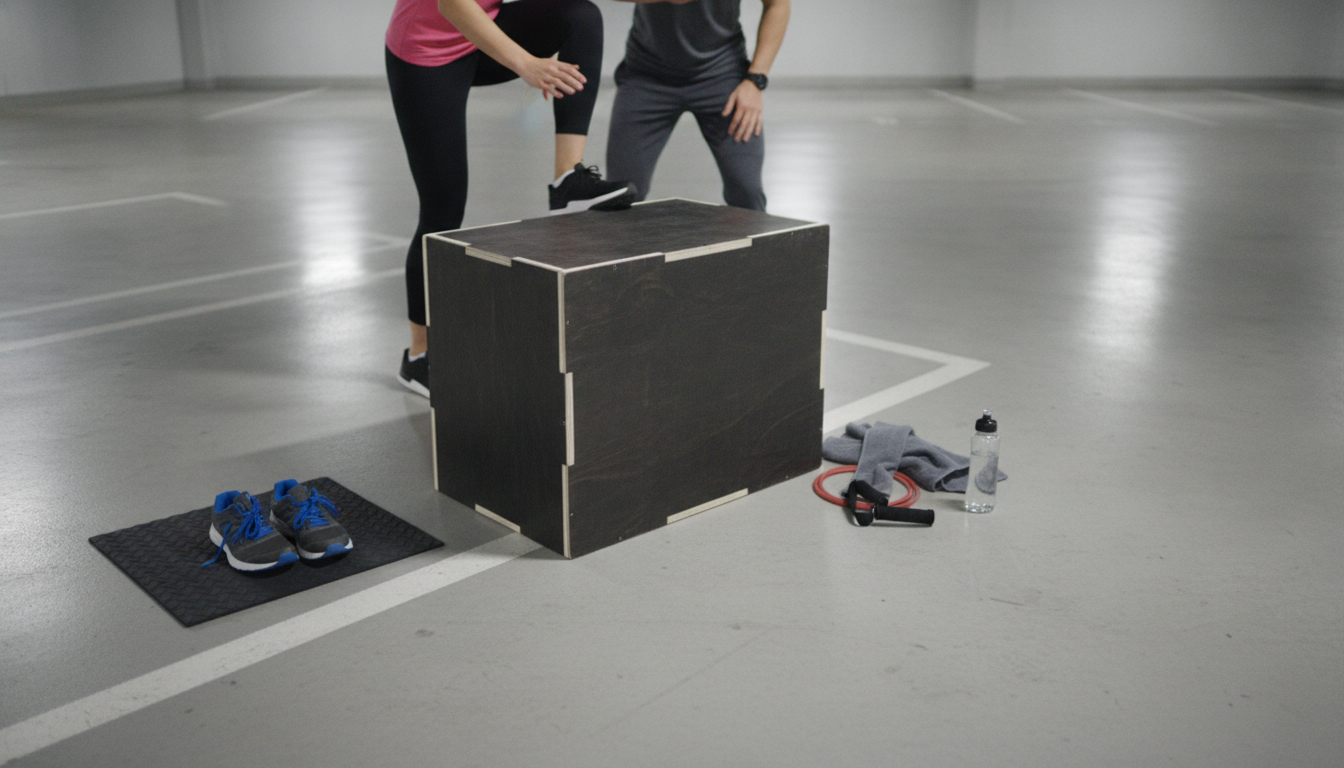
Are wooden plyo boxes safe?
Wooden plyo boxes can be very safe when they’re well-built, used on a stable surface, and matched to the right exercises and skill level. The biggest safety factors aren’t the material alone—it’s the box’s construction quality, the condition of the landing surface, and how the box is used (step down vs. jump down, footwear, and fatigue).
A solid wooden plyo box should feel rigid under load, with no wobble, creaking, or flex. Look for tight joints, quality fasteners, smooth edges, and a grippy top surface. Many athletes prefer wood because it’s stable and doesn’t compress like foam; the tradeoff is that missed jumps can be less forgiving on shins, so good technique and appropriate height matter.
What makes a wooden plyo box safer?
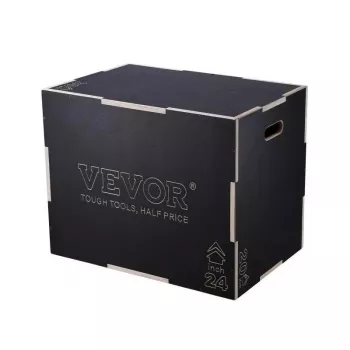
Start with a box that has wide, stable contact with the floor and a top surface that resists slipping. A 3-in-1 design can be safer because it gives multiple height options without stacking unstable platforms. For home setups, place the box on rubber flooring or a non-slip mat, and keep the area clear so there’s room to step down safely.
Common safety mistakes to avoid
Avoid jumping down from the top repeatedly—stepping down reduces impact and helps protect knees and Achilles tendons. Don’t use a box with splintering wood, loose panels, or rounded edges that can catch a toe. Also avoid going too high too soon; a lower, consistent jump is safer than a high jump with frequent misses.
Choosing the right height and style
If you’re training at home, an adjustable 3-in-1 wooden plyo box makes it easier to progress gradually and keep form clean. For more guidance on selecting a stable, multi-height option and using it for different workouts, see the main guide here: https://enticinghitsbay.shop/guide-3-in-1-wooden-plyo-box-adjustable-heights-home-workouts/.
FAQ
What height plyo box should I start with?
Start with a height you can land on quietly and consistently, with your whole foot on the top and no knee collapse. Many beginners do best starting around 12–16 inches, then increasing only after weeks of clean reps.








Leave a comment