Sustainability in Interior Design: Principles & Examples
What is sustainability in interior design?
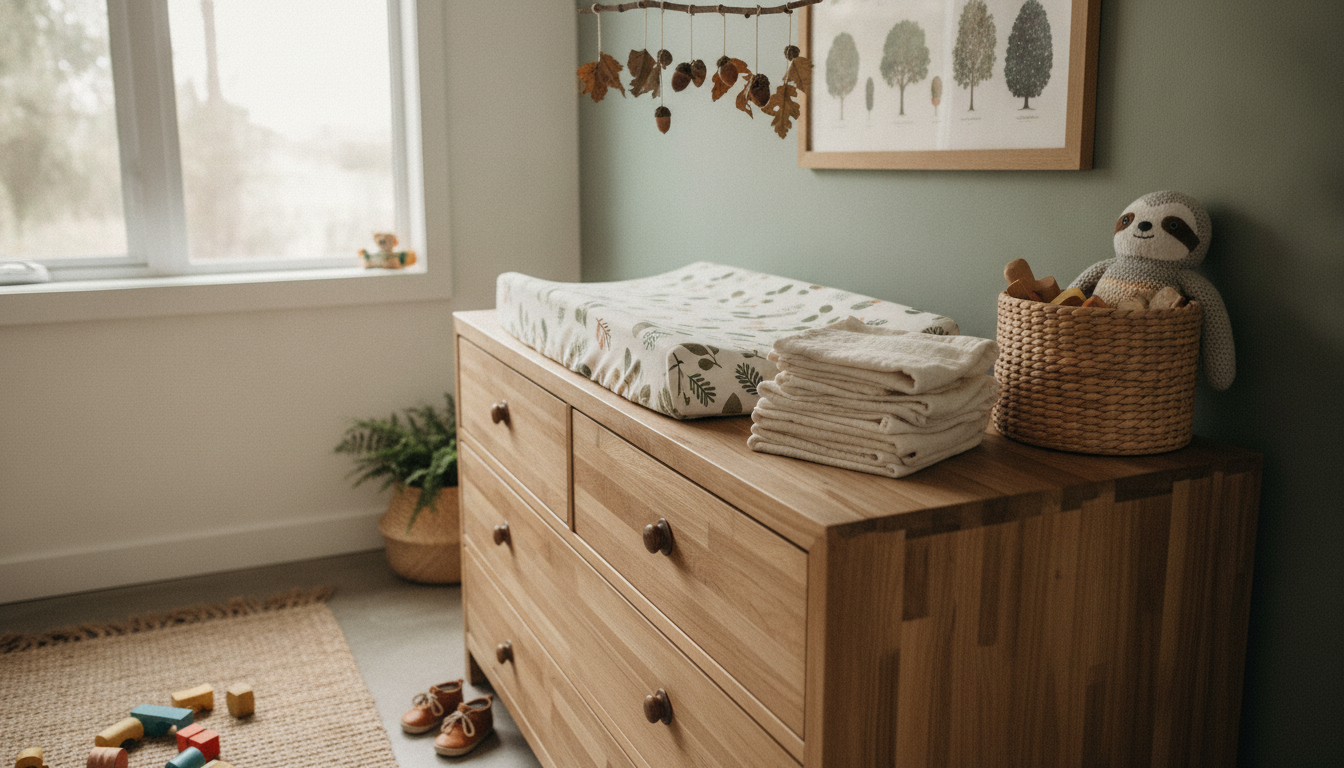
Sustainability in interior design means creating spaces that support comfort and beauty while reducing harm to the environment and improving human well-being. It looks at the full lifecycle of a room—where materials come from, how products are made and transported, how efficiently the space uses energy and water, and what happens when items are repaired, reused, or eventually replaced.
Rather than treating “green” as a single product choice, sustainable design is a set of decisions that work together: thoughtful layouts that reduce waste, durable finishes that last, healthier indoor air, and purchasing strategies that favor responsible sourcing.
Core principles of sustainable interiors
Use fewer resources, use them longer. Prioritizing quality, repairable furniture, timeless forms, and modular pieces reduces the churn that sends items to landfills. When possible, keeping and refinishing what you already own is often the lowest-impact option.
Choose safer, cleaner materials. Low-VOC paints and finishes, formaldehyde-free composite woods, and natural fibers can reduce off-gassing and improve indoor air quality—especially important in bedrooms, nurseries, and tightly sealed homes.
Source responsibly. Reclaimed wood, recycled metals and glass, FSC-certified lumber, and rapidly renewable options (like bamboo or cork, when responsibly produced) help limit habitat loss and over-extraction. Local sourcing can also reduce transportation emissions.
Design for efficiency. Lighting plans that maximize daylight, LED fixtures, smart controls, and efficient appliances reduce ongoing energy use. Water-saving fixtures and leak-aware design support conservation without sacrificing performance.
How sustainability shows up in real rooms
A sustainable living room might pair a reupholstered vintage sofa with natural-fiber rugs, layered LED lighting, and finishes that are easy to clean and maintain. A sustainable kitchen may emphasize long-lasting cabinetry, repairable hardware, durable countertops, and efficient ventilation that protects air quality while cooking.
For a deeper, practical roadmap—materials, AI-aided planning ideas, and a step-by-step checklist—visit this guide to sustainable luxury interiors.
FAQ
What are low-VOC materials, and why do they matter?
Low-VOC materials release fewer volatile organic compounds into the air, which can reduce odors and irritation and support healthier indoor air quality. They’re commonly found in paints, sealants, adhesives, and some flooring finishes.












Leave a comment