Princess Bed Mattress Size: Twin, Full or Queen?
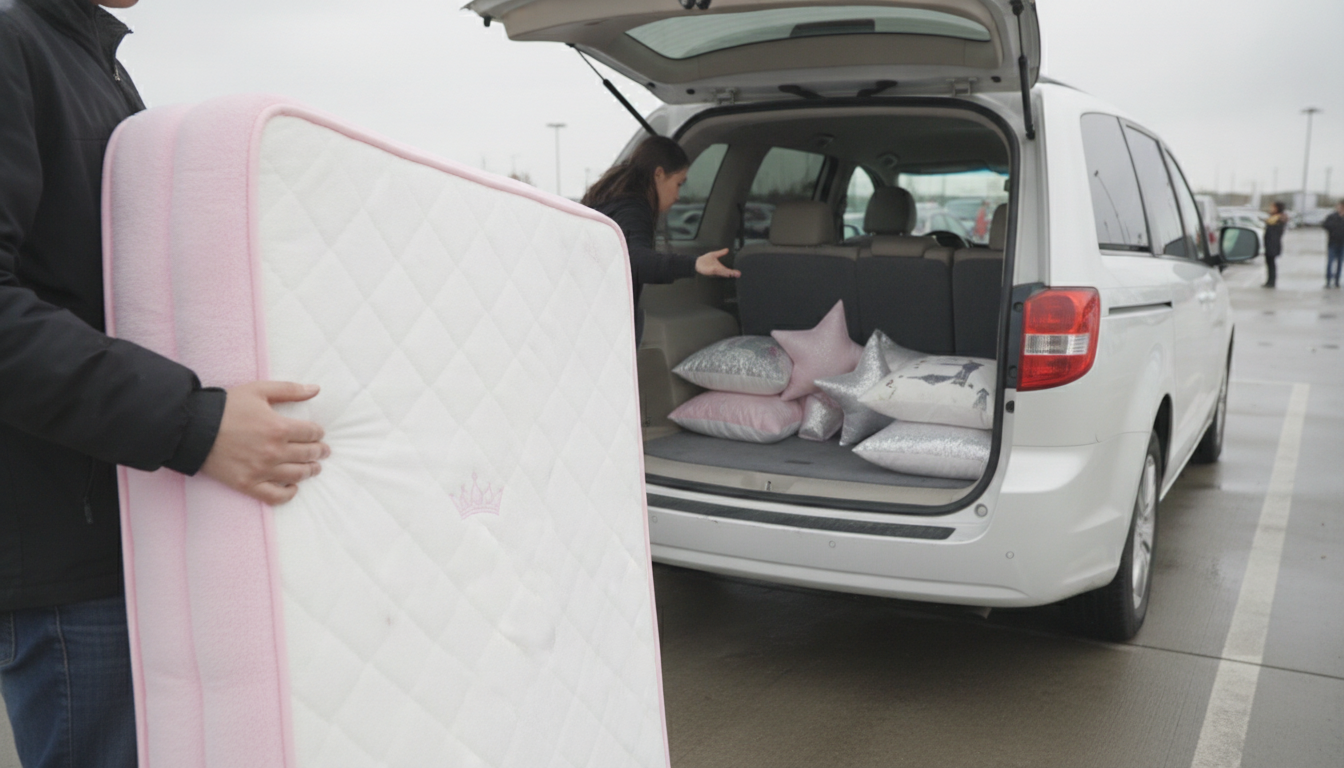
What size mattress does a princess bed need?
Answer
A “princess bed” usually describes the style of the bed frame (canopy, carriage shape, ornate headboard, pink/gold accents), not a special mattress size. In most cases, a princess bed frame is built to fit a standard mattress size—most commonly Twin, Full, or Queen—depending on the specific model you buy.
To choose the right mattress, start with the size the frame is designed for (it’s typically listed in the product name or specs). Then match it to standard U.S. mattress dimensions:
- Twin: 38″ x 75″
- Twin XL: 38″ x 80″
- Full: 54″ x 75″
- Queen: 60″ x 80″
If you already have the bed frame and you’re unsure what mattress fits, measure the inside opening where the mattress sits (the “mattress cavity”). Measure width and length from inner edge to inner edge. A correct match should fit snugly without needing to bend the mattress, but it also shouldn’t leave large gaps along the sides.
Also consider mattress thickness. Some princess-style frames have higher side rails or a decorative footboard that can make a very tall mattress look cramped or block the design. If the frame uses slats, check the manufacturer’s guidance for maximum mattress height and whether a box spring or bunkie board is recommended.
For a quick comparison of popular princess wood bed frame options (including Twin vs. Queen considerations), see the full guide here: https://enticinghitsbay.shop/guide-modern-princess-wood-bed-frame-twin-vs-queen-guide/.
For Princess Bed Mattress Size: Twin, Full or Queen?, the best answer depends on fit, material, care instructions, and how the product will be used day to day.
FAQ
Do princess beds usually need a box spring?
Many princess bed frames with slats can support a mattress without a box spring, but it depends on slat spacing and the frame’s instructions. If slats are widely spaced or the frame sits low, a bunkie board or box spring may improve support and mattress feel.














Leave a comment