Kids Pedal Go Kart Guide: Fit, Safety, and Riding Tips
Kids Pedal Go Kart: Outdoor Fun, Confidence, and Safe Riding Basics
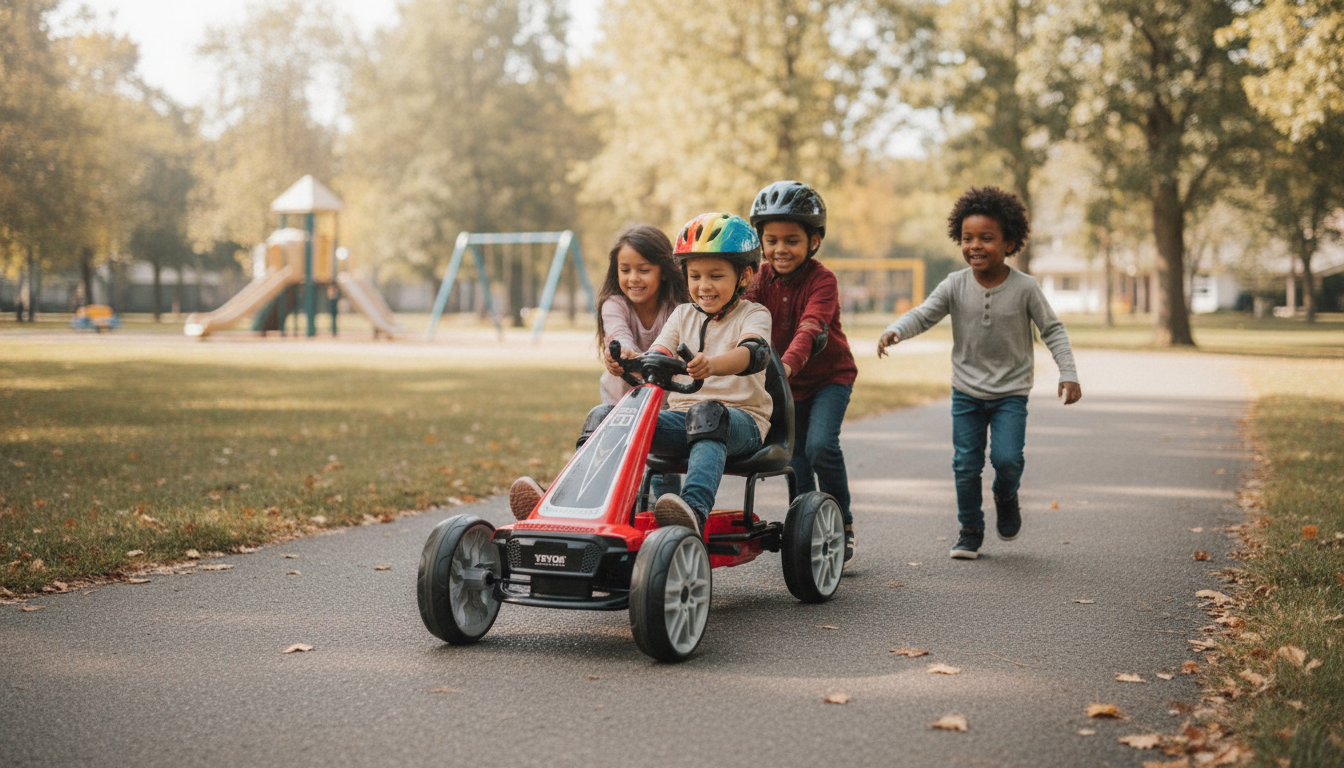
A pedal go kart turns everyday play into an active ride that builds coordination, steering control, and leg strength. With a low, stable frame and kid-powered motion, it’s a fun way to practice control at comfortable speeds. Below are the essentials that make rides smoother for parents and more confident for kids—fit, safety habits, the right surfaces, and simple maintenance.
What Makes a Pedal Go Kart Different
Unlike motorized ride-ons, a pedal go kart is powered by your child’s legs. That kid-powered design keeps things quieter and typically lower-speed, while still delivering the thrill of “driving” their own vehicle.
- Active play built in: Pedaling turns playtime into cardio and leg-strengthening movement.
- Coordination practice: Kids learn to match pedaling rhythm with steering input and braking timing.
- Stable, low-to-the-ground feel: Many kids find a go kart less wobbly than a bike at first, since balance demands are different.
- Great for everyday routes: Smooth driveways and flat paths can work well (always follow local rules and supervise near traffic areas).
Choosing the Right Size and Fit
Fit matters more than age. A great fit helps your child pedal efficiently, steer precisely, and stop confidently—without straining knees or reaching uncomfortably.
- Seat adjustability: An adjustable seat lets you keep proper knee bend as your child grows.
- Weight capacity: Stay within the listed limit so handling and braking remain predictable.
- Leg length first: At full pedal extension, knees shouldn’t lock straight.
- Steering reach: Arms should be slightly bent for control, not fully extended.
- Quick test: Have your child pedal slowly and make gentle turns—if the kart feels stable and easy to control, you’re close to the right fit.
Quick fit check before the first ride
| Check | What to look for | Why it matters |
|---|---|---|
| Knee bend at full extension | Slight bend remains | Reduces strain and improves power |
| Pedal reach | No toe-pointing to reach pedals | Better control and comfort |
| Steering comfort | Arms not locked; easy turns | More precise steering |
| Seat security | Seat locks firmly in place | Prevents shifting during turns |
| Ground clearance | Kart doesn’t scrape on flat pavement | Smoother, safer riding |
Key Features to Look For
Two go karts can look similar but feel totally different in real use. Focus on the features that affect stopping, stability, and long-term durability.
- Braking system: A reliable brake should be easy for small feet to press and should stop smoothly on flat ground without jerking.
- Tires and wheels: Wider wheels can feel steadier, and tread can help grip on smooth concrete. For most families, pavement-friendly tires are the everyday sweet spot.
- Low center of gravity: A lower seat and stable stance can help reduce tip risk during quick turns (kids still need to learn to slow down before turning).
- Chain/drive protection: Guards help keep shoelaces, fingers, and loose clothing away from moving parts.
- Steering and seat durability: Look for a steering column that doesn’t wobble and hardware that stays tight with regular checks.
Where to Ride: Surfaces and Space
Pick a place where your child can focus on steering and stopping—without surprises under the tires or cars nearby.
- Best surfaces: Smooth pavement, level driveways, and clean sidewalks.
- Avoid: Steep hills, gravel, wet leaves, loose sand, and any place with vehicle traffic.
- Create a simple route: Use cones or chalk to mark a turn zone, a straightaway, and a “stop line” to practice braking.
- Supervision matters: Younger riders do best with an adult watching driveway exits and intersections.
- Be a good neighbor: Slow down near pedestrians, pets, and younger children, and give space when passing.
Safety Setup Before the First Ride
A few minutes of setup and coaching can prevent most common mishaps—especially early on when kids are excited and still learning control.
- Helmet fit: The helmet should sit level, straps snug, and it shouldn’t rock forward/back. For additional guidance, see the CPSC bicycle helmet safety information and the American Academy of Pediatrics helmet tips.
- Closed-toe shoes: Better grip on pedals and more protection if feet brush the ground.
- Clothing check: Avoid loose pant legs, dangling drawstrings, and anything that could catch near the drivetrain.
- Pre-ride inspection: Confirm the brake works, steering feels tight, wheels spin freely, and the seat locks firmly.
- Teach the basics: Practice slow starts, wide controlled turns, and how far it takes to stop from a gentle cruising speed.
One helpful rule for early rides: “Slow down before the turn.” It’s simple, memorable, and makes the kart feel easier to manage.
Care and Maintenance for Longer Use
A Solid Option to Consider
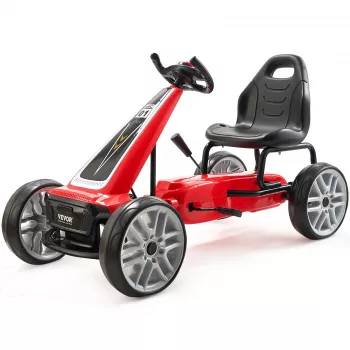
If you’re looking for an outdoor ride that supports active play and skill-building, the Kids Pedal Go Kart is a practical place to start. It’s a strong match for families who want a kid-powered vehicle with a stable, low-to-the-ground feel—especially for driveway loops and smooth paths with clear boundaries.
For a fun, non-ride add-on that fits a kid-focused space, consider the Resin Reading Rabbit Figurine – Cute Animal Sculpture for Kids’ Room Decor as a playful room accent after outdoor time.
FAQ
What age is appropriate for a pedal go kart?
Use size and leg reach rather than age alone. Your child should be able to pedal without locking their knees, reach the steering comfortably with slightly bent arms, and operate the brake confidently on flat ground.
Do kids need a helmet for a pedal go kart?
A properly fitted helmet is strongly recommended for every ride. Pair it with closed-toe shoes and avoid loose clothing that could catch in moving parts.
Can a pedal go kart be used on hills?
Gentle, controlled slopes may be manageable for experienced riders, but steep hills increase stopping distance and loss-of-control risk. Flat, open areas are safer for most kids, especially while learning.













Leave a comment