3-in-1 Wooden Plyo Box: Adjustable Heights for Home Workouts
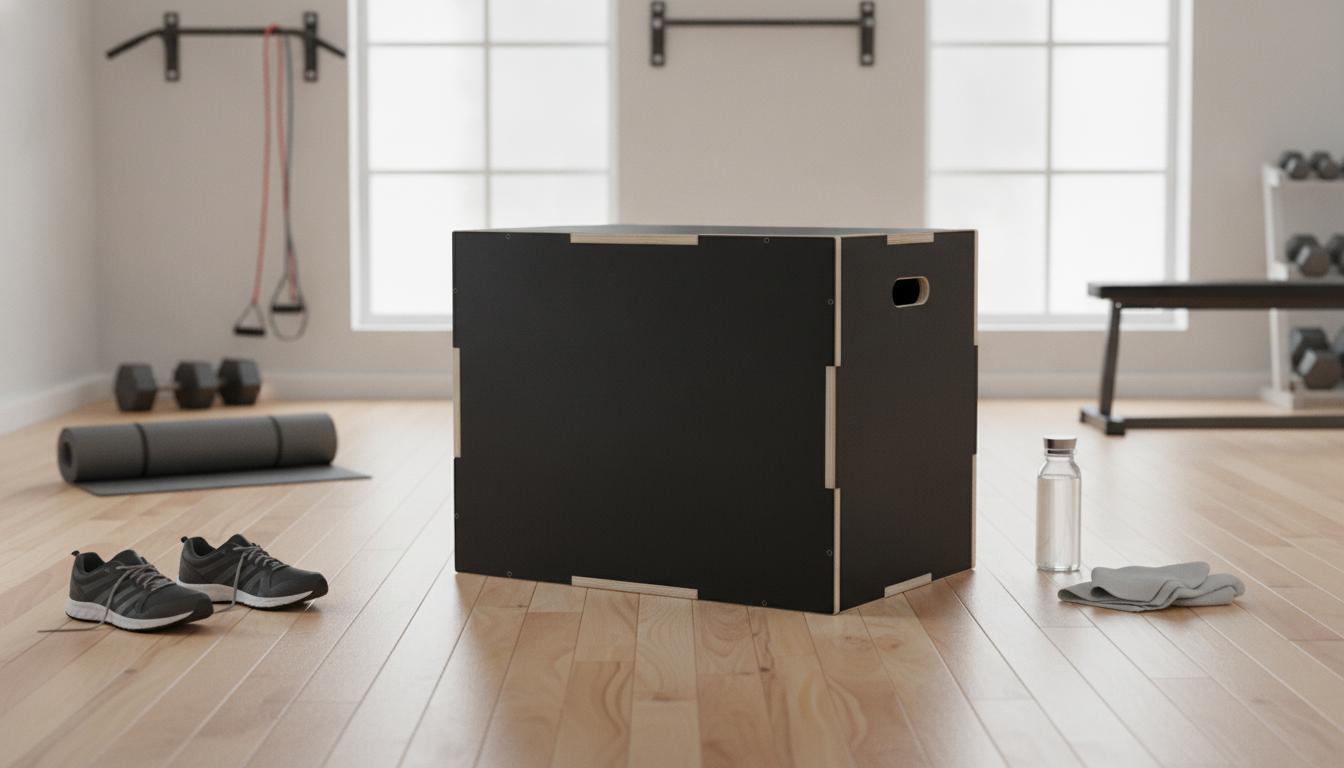
A sturdy plyometric box supports explosive training, step-ups, and conditioning without needing a full gym setup. A 3-in-1 wooden design offers multiple height options in one piece of equipment, making it easier to progress safely over time and keep workouts varied in smaller spaces. For more guidance, see Why Add a Plyo Box to Your Home Gym? – REP Fitness.
What a 3-in-1 Wooden Plyo Box Is and Why It Works
A 3-in-1 wooden plyo box is a single box built with three usable heights. Instead of buying multiple boxes, you rotate the same box to the side that matches your workout, which makes it easier to scale from low-impact drills to higher jumps over time.
While it’s known for box jumps, it’s just as useful for strength and conditioning staples: step-ups, elevated push-ups, box squats, Bulgarian split squats, dips, and core work. That variety is one reason a single adjustable box can replace several larger pieces of equipment.
Wood construction can feel especially stable underfoot, but stability is a full setup equation: correct assembly, tight fasteners, and placing the box on a flat, non-slip surface matter as much as the material itself. With good setup habits, a single adjustable box also reduces clutter compared with owning multiple fixed-height boxes.
Key Features to Look For Before Buying
Before choosing a wooden plyo box, focus on the basics that affect safety, confidence, and long-term use.
- Height range: Pick a box with beginner, intermediate, and advanced options so progress doesn’t require risky jumps.
- Footprint and stability: A wider base helps reduce wobble, especially on home flooring that may be slightly uneven.
- Weight capacity and build quality: Reinforced joints, quality fasteners, and solid panels reduce flex, shifting, and extra noise.
- Surface and edges: Smooth corners and a consistent top surface help reduce scrapes and improve confidence on landings.
- Grip and floor protection: A rubber mat can help prevent sliding and protect hardwood or tile.
How to Set Up Safely in a Home Gym
Small changes to setup can make box work feel dramatically more controlled.
- Choose the right surface: Place the box on a flat, non-slip area. If your floor is slick, use a rubber gym mat to reduce sliding.
- Give yourself space: Leave clear space around the box for forward/side movement and safe step-downs (especially when fatigue hits).
- Re-check hardware: Tighten screws/fasteners periodically, especially during the first weeks as the box “settles” into regular use.
- Earn higher heights: Start at the lowest setting and move up only after consistent, quiet landings and controlled step-downs.
- Wear stable shoes: Use sturdy athletic shoes and avoid unstable surfaces like thick carpet, uneven garage floors, or cluttered training areas.
For programming basics and good jumping habits (like proper rest and landing mechanics), refer to authoritative guidance from the NSCA on plyometric training. For broader strength training principles that pair well with plyometrics, see the ACSM guidance on resistance training.
Height Selection and Progression (Simple Framework)
Progression works best when it follows a simple rule: improve quality first, then volume, then height. That means clean landings, consistent reps, and stable knee tracking come before chasing a taller jump.
- Beginner focus: Step-ups, low box jumps, and controlled eccentric step-downs to build confidence and tolerance.
- Intermediate focus: Repeated jumps with full recovery between sets, plus lateral step-overs and single-leg step-ups.
- Advanced focus: Higher jumps only when every rep stays quiet and stable; avoid trading form for height.
- Progression order: Quality (form) → volume (more total reps) → height (bigger jump).
- Deload weeks: Reduce joint stress by cutting volume while maintaining the movement pattern.
Training Ideas by Height Setting
| Height setting | Good starting exercises | Progression cue |
|---|---|---|
| Low | Step-ups, elevated push-ups, box squats | Add reps and tempo control before adding height |
| Medium | Box jumps (low volume), lateral step-overs, dips | Keep landings quiet; increase rest quality and consistency |
| High | Higher box jumps (advanced), jump-to-step-down, power step-ups | Only increase height when every rep feels identical and stable |
Sample Home Workouts Using One Box
One box can cover strength, conditioning, and athletic power—without needing a long equipment list.
Care, Maintenance, and Longevity Tips
Product Spotlight: 3-in-1 Wooden Plyo Box
If your goal is adjustable jump training with a minimal footprint, the 3-in-1 Wooden Plyo Box – Adjustable Height Jump Box for Home & Gym Training offers multiple training heights by simply rotating the box. It’s a practical choice for jumps, step-ups, elevated strength work, and conditioning—especially in space-conscious setups where progression still matters.
More In-Stock Picks (Optional Add-Ons)
- Elegant Soft Leather Small Shoulder Bag for carrying small workout essentials like straps, bands, or a timer between home and gym.
- Marble Travertine Taper Candle Holder for Home Decor and Elegant Events as a clean, durable decor accent for a home gym shelf or console.
FAQ
What height should a beginner start with on a plyo box?
Start with the lowest setting and prioritize step-ups and low box jumps with quiet, controlled landings. Increase height only after you can repeat the same landing mechanics comfortably and consistently.
Is a wooden plyo box safe for home use on hardwood or tile?
Yes, as long as it’s assembled tightly and placed on a flat surface with a rubber mat underneath to prevent sliding and protect the floor. Re-check fasteners regularly, especially early on.
How often should plyometric jumps be trained each week?
Most people do well with 1–3 sessions per week depending on experience and recovery. Keep jump volume moderate, rest fully between sets, and stop the session when form starts to break down.















Leave a comment