Stainless Steel Manual Citrus Press for Lemons & Limes
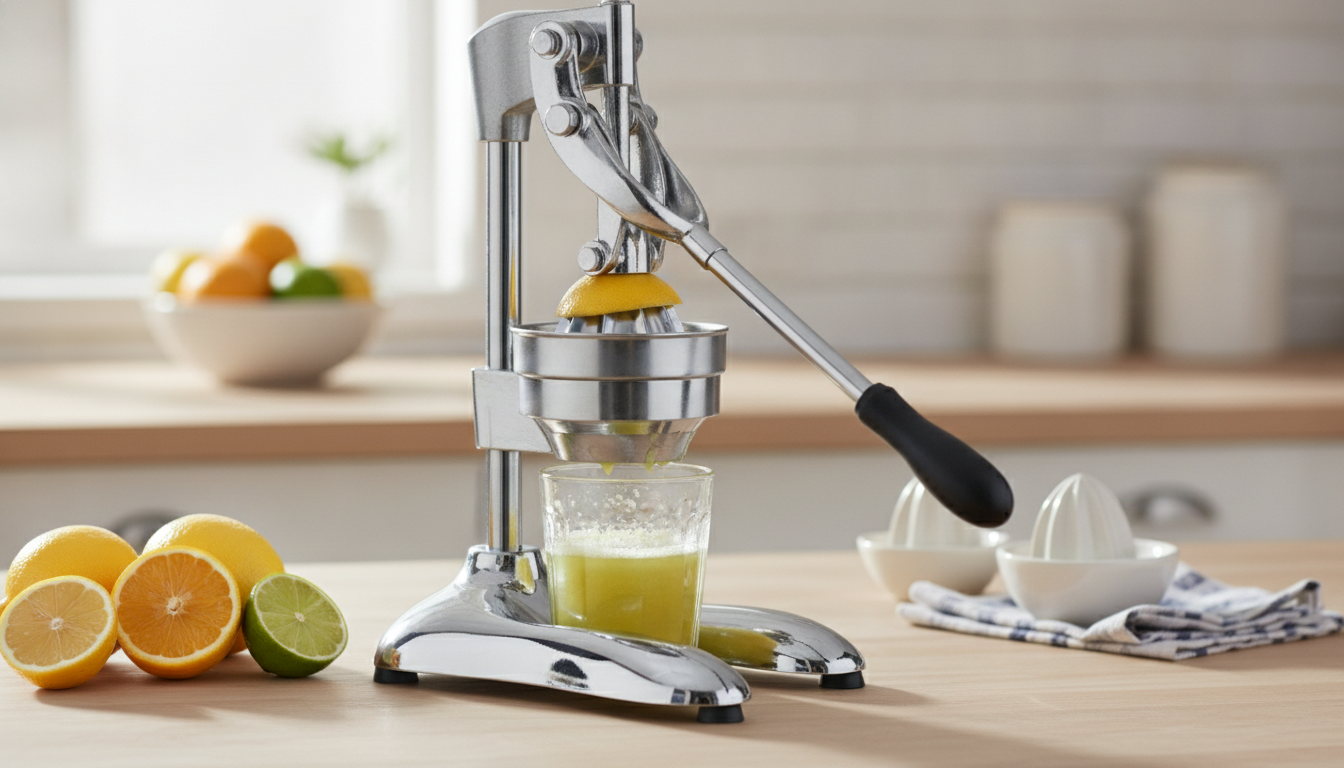
Manual Citrus Juicer Press – Heavy-Duty Stainless Steel Hand Fruit Squeezer
Fresh citrus juice can be simple and consistent when the tool does the hard work. A heavy-duty stainless steel hand press is built to squeeze more juice with less effort, keep splatter under control, and stand up to frequent use—whether you’re pressing lemons for morning water or limes for weekend cocktails. If you want bright flavor without pulling out a motorized appliance, a sturdy manual press is one of the fastest ways to get reliable results in a small batch.
What a Hand Press Citrus Juicer Does Best
A manual press focuses on leverage: you apply steady pressure and the fruit does the rest. For everyday kitchen tasks, it’s hard to beat for speed and simplicity.
- Applies direct leverage to extract juice quickly from halved citrus
- Helps separate juice from most seeds and larger pulp pieces during pressing
- Works well for small batches: a glass, a recipe, or a single garnish
- Keeps flavor bright by avoiding prolonged heat or oxidation from motorized processing
That “press-and-pour” routine also makes it easier to stay consistent when recipes call for repeated additions of fresh juice, such as vinaigrettes, pan sauces, or drink rounds.
Heavy-Duty Stainless Steel Build: Why It Matters
Citrus is tough on tools. Lemon and lime juice are acidic, and over time they can discolor or pit lower-grade metals. Stainless steel is a practical choice because it’s designed to handle that kind of exposure without turning into a maintenance project.
- Stainless steel resists corrosion from acidic juices (lemon, lime, grapefruit)
- Rigid construction reduces flexing while pressing, improving juice yield
- Non-porous surfaces are easier to rinse clean and less likely to retain odors
- A solid hinge and handle design supports repeated use without wobble
When the body stays firm under pressure, more of your effort goes into extraction instead of bending the press. That’s especially noticeable with firmer limes or thicker-skinned lemons.
Comfort and Control During Pressing
Good juice isn’t just about force—it’s about control. A well-balanced press helps you guide the fruit, keep the bowl aligned, and pour cleanly into a glass or measuring cup.
- Leverage from a long handle can reduce hand strain versus twisting reamers
- A stable base or balanced body helps prevent tipping on the countertop
- A well-shaped bowl supports citrus halves to limit slipping during compression
- Controlled pour spout helps direct juice into a glass or measuring cup
For the cleanest workflow, press over a deeper vessel (like a tall cup or measuring beaker) and pause for a second after pressing so the last drips run through before you pour.
Juice Yield and Pulp: What to Expect
A manual press can produce impressively high yield when you set the fruit up correctly. Small adjustments—temperature, cut direction, and pacing—often make a bigger difference than squeezing harder.
- Best results come from room-temperature fruit and a firm, steady press
- Cut citrus crosswise and center it in the bowl for more even extraction
- For less pulp, strain after pressing; for more body, press a second time gently
- If bitterness appears, avoid crushing the peel aggressively—stop when juice slows
| Goal | What to do | Common mistake to avoid |
|---|---|---|
| More juice | Warm fruit to room temp; press slowly and fully | Rushing with a fast hard slam that splashes |
| Less pulp | Use a small strainer over the glass | Over-pressing until peel oils dominate |
| Fewer seeds | Place cut side down and keep fruit centered | Off-center halves that eject seeds sideways |
| Cleaner counter | Press over a deep cup; wipe spout after pouring | Pouring from too high or twisting mid-pour |
If you’re tracking nutrition for recipes or drinks, citrus juice values can vary by fruit size and variety. For general reference, the USDA’s database is a helpful resource: USDA FoodData Central.
Everyday Uses Beyond Lemon Water
A manual press earns its countertop space when it becomes part of everyday cooking and hosting. Fresh juice adds lift to savory dishes, balances sweetness in desserts, and gives drinks a cleaner finish than bottled substitutes.
- Cocktails and mocktails: lime juice, lemon juice, simple citrus mixes
- Cooking: marinades, dressings, ceviche, pan sauces, and baking
- Preserving: fresh juice for freezing in ice cube trays for later recipes
- Garnishes: quick squeeze over grilled vegetables, seafood, or fruit salads
For batch prep, press several fruits, strain if desired, and freeze in small portions. That keeps flavor handy for sauces or quick weeknight meals without wasting extra produce.
Cleaning and Care for Long Service Life
Stainless steel is low-fuss, but citrus pulp can dry quickly and become surprisingly sticky. A short rinse immediately after use prevents most cleanup hassles.
For general kitchen sanitation habits—especially when tools contact fresh produce—FDA guidance is a useful baseline: FDA Food Code (2022).
Who This Juicer Fits Best
Product Snapshot
Shop In-Stock Favorites
- Manual Citrus Juicer Press – Heavy-Duty Stainless Steel Hand Fruit Squeezer
- Marble Travertine Taper Candle Holder for Home Decor and Elegant Events
- Elegant Soft Leather Small Shoulder Bag
FAQ
Can this press handle lemons and limes of different sizes?
Most hand presses handle a range of small-to-medium citrus. For larger lemons, center the fruit after cutting crosswise and press in two stages (a firm press, then a second gentle press) to finish extraction without slipping.
Does pressing the peel make the juice bitter?
Over-crushing the peel can release oils and pithy notes that read as bitterness. Use a steady press until the juice flow slows, then stop rather than forcing a final hard crush.
How should it be cleaned after squeezing citrus?
Rinse right away, wash with mild soap, and dry thoroughly—especially around the hinge where pulp fibers can collect. Avoid harsh abrasives and periodically check for trapped residue near the pivot.















Leave a comment