Cat Tree Tower Guide: Stable Perches for Indoor Cats
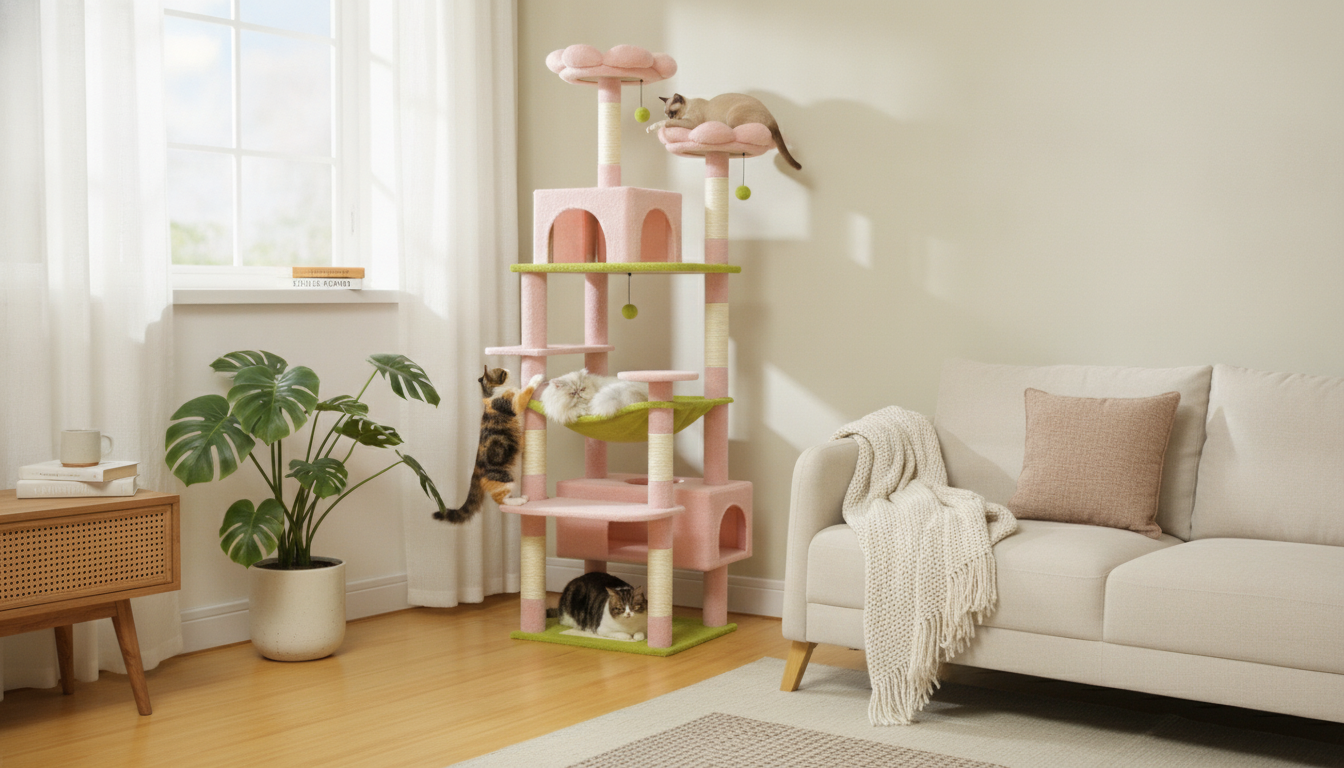
Cat Tree Tower for Indoor Cats: A Comfortable Climb, Scratch, and Rest Zone
A well-designed cat tree tower helps indoor cats climb, scratch, perch, and nap in one dedicated spot—reducing boredom, protecting furniture, and adding vertical territory to smaller homes. The best choice balances stability, space, and cat-friendly materials, especially for larger cats or multi-cat households.
Why a Cat Tree Tower Matters Indoors
Indoor cats still have the same instincts as outdoor cats: they want to survey their territory from above, keep their claws healthy, and retreat to a secure resting place. A cat tree tower organizes those needs into one predictable “cat zone.”
- Adds vertical territory, which can lower stress and improve confidence for many indoor cats
- Supports natural behaviors: climbing, scratching, perching, hiding, and sleeping
- Creates a predictable cat-only area, helping redirect scratching away from sofas and rugs
- Encourages movement and play, which can support healthy weight management
- Gives cats a safe vantage point to observe household activity without being underfoot
For more on enrichment principles and why they matter in everyday home life, see the American Veterinary Medical Association (AVMA) guidance on environmental enrichment for cats.
Key Features to Look For
Not all towers are built the same. A “tall” cat tree that wobbles or has tiny shelves often becomes decorative furniture for humans—while cats return to window sills and couch arms.
- Stable base and anti-tip design: wide footprint, balanced height, and secure joints
- Sturdy posts for scratching: thick columns with durable wrap (often sisal) for better grip and longevity
- Large platforms and roomy condos: enough surface area for stretching out, turning around, and resting
- Multiple levels with sensible spacing: comfortable step-up distances for kittens, seniors, and heavier cats
- Comfort surfaces: soft but easy-to-clean fabric, plus removable cushions if offered
- Toys and enrichment add-ons: dangling toys are a bonus, but structural strength matters more
Scratching is a normal behavior, not “bad behavior.” Providing the right surface in the right location is often the fastest path to saving furniture—details that align with guidance from International Cat Care on scratching behaviour.
Size and Layout Guide (Including Bigger Cats)
Choosing the right size isn’t about getting the tallest tower available—it’s about matching the tower to how your cat actually moves and rests. Big cats need room to sprawl; shy cats need covered spaces; multi-cat homes need more than one “best seat in the house.”
- Choose platforms wide enough for full-body lounging; cramped shelves often get ignored
- Match height to behavior: climbers enjoy tall towers, while timid cats may prefer mid-height with a covered condo
- For multi-cat homes, prioritize multiple resting levels so cats can share without crowding
- If placing near a window, a top perch can become a daily favorite lookout spot
- Ensure the tower fits the room’s flow—avoid tight hallways where people may bump it
Quick sizing checklist
| Cat & home situation | What to prioritize | Practical notes |
|---|---|---|
| Large or heavy adult cats | Extra-stable base, wide perches, thick scratch posts | Avoid narrow top platforms; choose sturdier construction |
| Kittens and young adults | More play levels, multiple scratch zones, safe spacing | Keep jumps manageable; remove breakable decor nearby |
| Seniors or less mobile cats | Lower step-ups, supportive beds, accessible condo | Add a small pet stair if needed |
| Multi-cat households | Two+ lounging zones and more than one scratching post | Spread resources to reduce conflict |
| Small apartments | Vertical height with compact footprint | Anchor placement near a wall for added steadiness |
Materials and Build Quality: What Holds Up Over Time
A tower can look plush and inviting on day one, then start shedding, loosening, or leaning after a few weeks of real use. Paying attention to materials helps you avoid the most common disappointment: wobble.
Where to Place a Cat Tree Tower
When rearranging the space, it helps to think in terms of “cat pathways” and calm resting zones—an approach echoed in general cat behavior resources from The Humane Society of the United States.
Helping Cats Actually Use It
A Solid Option for Bigger Indoor Cats
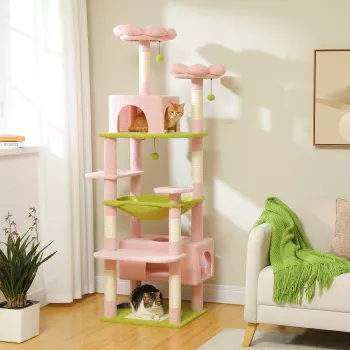
Product to consider: Large Cat Tree Tower for Big Indoor Cats.
Small Home Touches to Complete the “Cat Corner”
- Design-minded decor (placed safely out of reach): Marble Travertine Taper Candle Holder for Home Decor and Elegant Events can elevate a nearby shelf or console; keep candles and open flames well away from jumping routes.
- Grab-and-go storage for human essentials: Elegant Soft Leather Small Shoulder Bag is a simple way to keep keys, a phone, or small items together when hands are full—helpful when you’re also carrying cat supplies around the home.
FAQ
How tall should a cat tree tower be for indoor cats?
The ideal height depends on your cat’s mobility and what they enjoy: confident climbers often like taller towers (especially near windows), while seniors may do better with shorter step-ups and mid-level lounging spots. Prioritize stability and usable platform space over maximum height.
How do you stop a cat tree from wobbling?
Place the tower on a level surface, tighten all hardware periodically, and position it against a wall or in a corner to reduce sway. If the model allows it, wall anchoring can add extra security; also replace worn connectors or damaged posts that loosen over time.
What scratching material lasts the longest on a cat tree?
Tightly wrapped, thicker sisal rope (or durable sisal fabric panels) typically lasts longer than thin wraps or carpet-like coverings. Many cats also prefer sisal’s texture, which can encourage them to use the post consistently.














Leave a comment